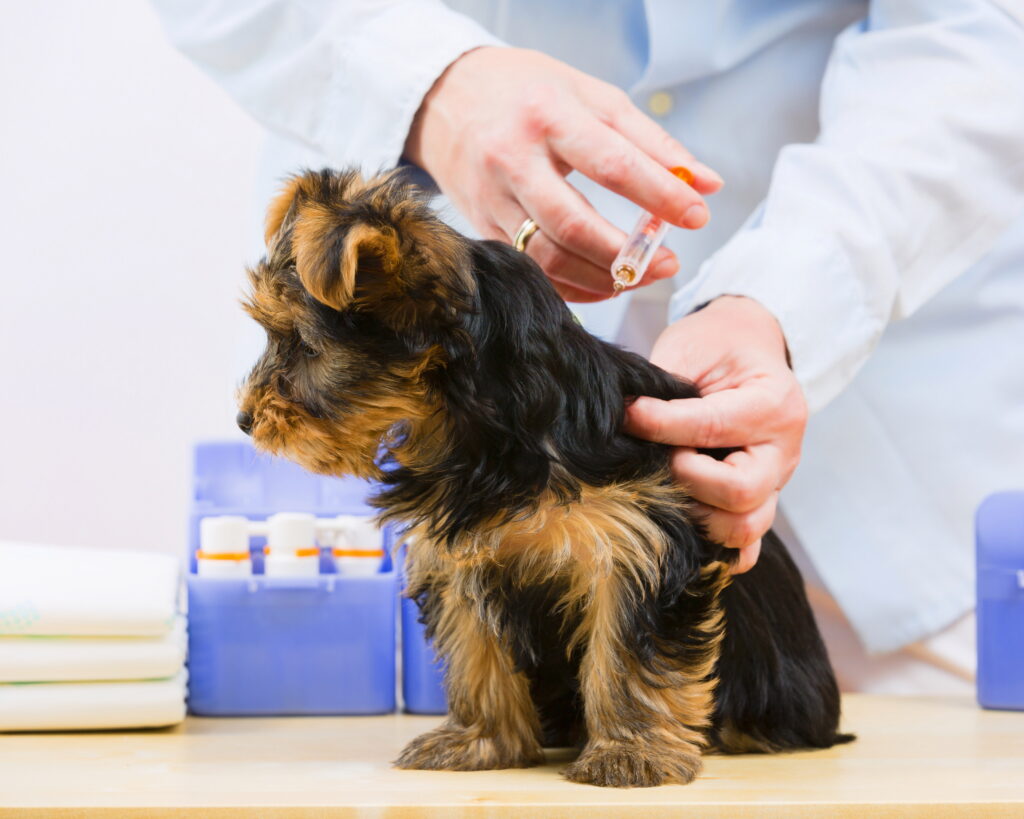
Vaccinations protect your dog from serious infectious diseases that still circulate in the UK. Yet the schedule can feel confusing, especially when you hear different advice about “annual boosters,” L2 vs L4, kennel cough, or whether an older, mostly indoor dog still needs jabs.
This guide explains what most dogs need and when, how to think about core vs lifestyle vaccines, what happens if you miss a booster, and why home visits can make the whole process calmer for anxious or mobility-limited pets. If you are unsure about your dog’s exact timing, our mobile vet can review your history, tailor a plan and deliver boosters without the stressful trip.
At Vets 2 Your Pets, RCVS-registered vets provide in-home vaccinations across many UK regions, combining boosters with a full health check and parasite plan so you have one clear, personalised schedule.
Core vs lifestyle vaccines explained
In the UK, “core” vaccines protect against widespread, potentially life-threatening diseases. “Lifestyle” or optional vaccines are recommended based on risk, such as boarding, daycare, shows, or travel.
- Core: DHP protects against Distemper (D), Hepatitis-adenovirus (H), and Parvovirus (P). Parainfluenza (Pi) is often included with DHP products but may be listed separately depending on brand. Leptospirosis (L2 or L4) is also considered core in the UK because risk is environmental and ongoing.
- Lifestyle/optional, commonly recommended based on risk: Kennel cough (Bordetella bronchiseptica and, where not already covered, Parainfluenza) and Rabies (required for dogs that travel abroad or are being exported; not needed for dogs that remain in the UK).
Leptospirosis is zoonotic and environmentally acquired, so most UK dogs benefit from ongoing protection. Kennel cough spreads wherever dogs mix closely, not just kennels. Rabies vaccination is a travel/export requirement and follows the vaccine manufacturer’s licensed interval (commonly 1- or 3‑yearly).
Puppy vaccination schedule in brief
A typical UK puppy primary course looks like this:
- First vaccination at 8 to 9 weeks, covering DHP (often with Parainfluenza) and Leptospirosis.
- Second vaccination at 12 weeks or older, to complete DHP (and Pi if scheduled separately) and Leptospirosis.
- A first annual booster about 12 months after the second jab.
Exact timing can vary by vaccine brand and your vet’s clinical judgment. If you are comparing options or budgeting, you can read more about how much are puppy vaccinations on our mobile vet page, then ask us for a tailored quote for your area.
Adult dog boosters, annually or not?
This is where confusion often starts. Owners are told “annual boosters,” then find out not every component is given every year. Here is the practical breakdown:
- Leptospirosis: usually needs an annual booster (both L2 and L4 schedules are typically yearly).
- Kennel cough: often annual, and many kennels require it within the last 12 months. Some settings ask for it 2 to 4 weeks before arrival to allow immunity to build.
- DHP: many datasheets and vets use a 3-year schedule for DHP after the first annual booster, while Parainfluenza may be given more often depending on formulation.
- Rabies (lifestyle): administered only for travel/export, on a 1- or 3‑year interval depending on the manufacturer’s licence and destination rules.
So when people say “annual,” they are often referring to Leptospirosis and kennel cough. Your record card will show which components are next due.
For clear, up-to-date advice and a calm home appointment, you can book a vet mobile visit through our mobile vet services page. We combine boosters with a thorough health check and parasite protection plan so your dog’s care is joined up and stress is lower.
Titre testing, over-vaccination worries and clinical judgment
Titre tests measure antibody levels in the blood for certain diseases, commonly Distemper, Hepatitis and Parvovirus. They can help assess whether a DHP booster is needed at that point in time. Titre testing does not replace all vaccines or cover Leptospirosis well, and it does not provide the paper proof some kennels require. It is, however, a useful tool to support thoughtful, evidence-aware scheduling for suitable dogs.
Concerns about over-vaccination are understandable. Modern UK practice balances the known benefits of vaccination against disease risk and follows licensed datasheets and reputable guidance. Where intervals allow, clinicians may extend DHP to three years, use titres in selected cases, and keep Leptospirosis and kennel cough on an annual cycle where risk warrants it. Rabies remains an optional, travel-linked vaccine and follows the licensed interval when required for trips abroad or export.
What if you miss a booster?
If a booster is overdue, do not panic. Policies differ by vaccine brand and practice. Sometimes a single booster can bring your dog back on track, while in other cases the primary course must be restarted. The decision depends on how long it has been, the vaccine used and your dog’s risk. Contact us and we will check your records, then advise the simplest, safe way forward. During a home visit we can update boosters, renew parasite cover and schedule reminders so it is easier next time.
Do indoor dogs need vaccinations?
Yes, but their plan can be tailored. Even low-social dogs go outdoors for toileting and walks, and Leptospirosis risk is environmental. Parvovirus can be brought into the home on shoes and clothing. Your vet can consider lifestyle factors and local disease prevalence to keep protection appropriate without unnecessary jabs.
How many vaccinations does a dog need in the UK?
Across a lifetime, most dogs receive:
- A two-dose puppy primary course.
- A first annual booster at around one year.
- Regular boosters thereafter, typically annual for Leptospirosis and kennel cough; DHP is usually less frequent (often every three years after the first annual booster), and Rabies is given only for travel/export according to the manufacturer’s licence (1- or 3‑yearly).
If you are planning boarding or travel, check requirements well in advance. For EU trips, you will need an Animal Health Certificate, which our Official Veterinarians can arrange alongside any vaccine updates, including Rabies where required.
How an at-home vaccination works
A mobile vet visit is designed to be calm and unhurried:
- We start with a gentle health check, weight and history review, including your previous vaccine records.
- If you have more than one dog, we can assess each pet in the same visit, saving repeated journeys.
- We agree the day’s plan: which boosters are due, whether kennel cough is needed, parasite protection and any bloods such as titre testing.
- We vaccinate in a familiar spot, give treats, and provide aftercare advice.
- We schedule your next reminders so you stay on track with minimal fuss.
If you would like to combine boosters with repeat medication, we can also arrange prescription home delivery where suitable, following a clinical assessment and the usual prescription rules.
For prices on specific vaccines or to book a dog annual vaccination at home, visit our vaccinations page and get personalised guidance for your postcode.
Quick FAQ
- What vaccines do pets really need? Core DHP (with Pi often included) for all dogs, plus Leptospirosis (L2 or L4). Kennel cough is strongly advised for dogs that mix with others or board. Rabies is only required for dogs that travel abroad or are exported.
- Do dogs need vaccines every year in the UK? Usually yes for Leptospirosis and kennel cough. DHP components are often given less frequently, commonly every three years after the first annual booster, depending on datasheet and clinical judgment. Rabies follows a 1- or 3‑year licence if your dog travels.
- What vaccinations do dogs have annually? Most commonly Leptospirosis and kennel cough. Your record will show the next due components.
- At what age do you stop vaccinating your dog in the UK? There is no set age. Decisions are based on health status, lifestyle and risk. Many senior dogs continue with tailored boosters, often at the time of their annual health check.
- What happens if I miss my dog’s yearly vaccine? Do not worry. Call us. Some vaccines can be boosted with a single dose; others may need a restart. We will check the brand and dates and advise the safest route back on schedule.
- Do indoor dogs need vaccinations? Usually yes, because environmental risks and indirect exposure still occur. The plan can be adjusted to your dog’s lifestyle.
- How many vaccinations does a dog need in the UK? Two puppy doses, a first annual booster, then regular adult boosters. Frequency varies by component; DHP is often three‑yearly, Leptospirosis and kennel cough are often annual, and Rabies is given only if your dog travels.
- What are the risks of not vaccinating my dog? Increased risk of severe illness from Distemper, Hepatitis, Parvovirus and Leptospirosis, potential hospitalisation costs, and restrictions for boarding, daycare and travel.
A calmer way to keep your dog protected
Vaccines work best when matched to your dog’s real life. A mobile vet can review your history, explain options like DHP intervals and titres, and keep Leptospirosis and kennel Cough up to date without the clinic stress. If you are ready to simplify your schedule and make boosters easier, book an in-home health check and vaccinations with Vets 2 Your Pets. We will confirm coverage for your area, combine care for multi-pet households and set helpful reminders so you can relax, knowing your dog is protected.
Helpful links: