 Skip to content
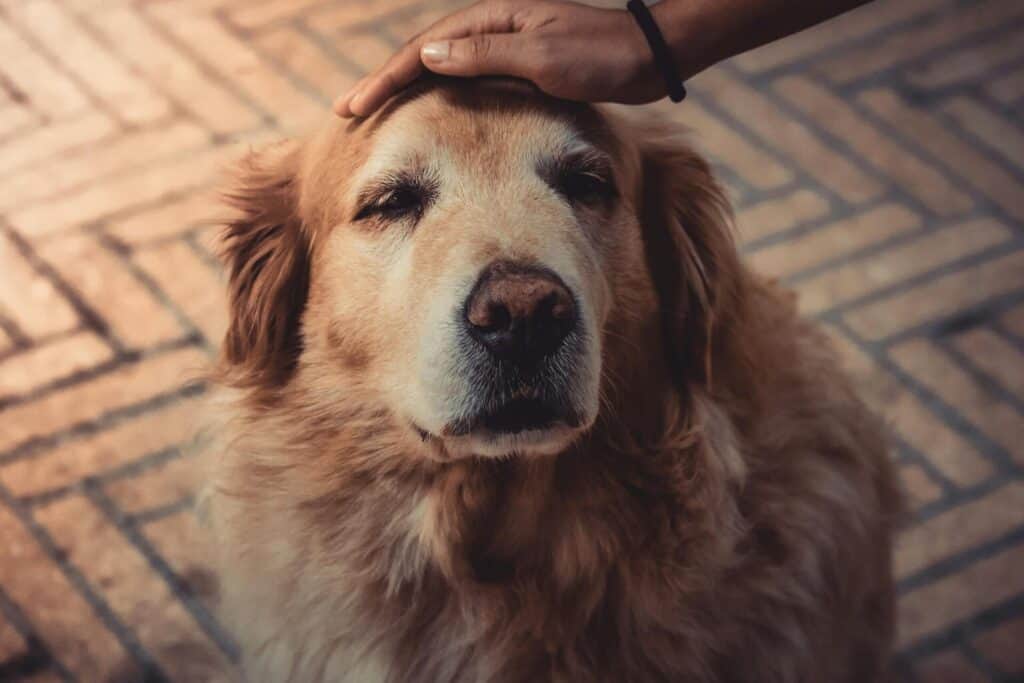
As our dogs and cats enter their golden years, many owners notice changes in behaviour that go beyond slowing down. Stiff joints or greying fur are obvious, but mental changes are often subtler and yet these changes matter. Cognitive decline in senior pets is real, it impacts quality of life, and with good care many animals can still live happily and comfortably.
Also called canine cognitive dysfunction syndrome (CCD) in dogs and feline cognitive dysfunction (FCD) in cats, this is a progressive condition associated with ageing of the brain. It shares some similarities with human Alzheimer’s disease or other forms of dementia. Affected animals may show memory loss, disorientation, changes in sleeping patterns, altered social interactions, and sometimes increased anxiety or vocalisation.
Whilst the exact causes of this change aren’t fully clear to us yet, it’s thought to have a connection to amyloid beta proteins accumulating in the brain. Other changes include oxidative stress, inflammation, reduced blood flow to parts of the brain, and cellular damage from free radicals.
Behavioural surveys and scientific studies show many senior pets are affected. Dogs around eight to ten years of age may begin to show signs, with prevalence increasing with age.
In cats, signs tend to become noticeable from about ten years old. Many cats over eleven show at least mild signs and prevalence increases with age.
Other risk factors include chronic pain, poor mobility, and systemic disease. Poor sensory function such as impaired vision or hearing can worsen how cognitive decline presents, because the pet cannot compensate as well.
Here are some of the common signs that suggest cognitive decline.
| Behaviour | What you might observe in your pet |
|---|---|
| Disorientation or confusion | Getting lost in familiar rooms, failing to find the door, or seeking out unusual places to rest. Asking to go into the garden and then coming straight back in |
| Changes in sleep and wake cycle | Awake more at night, sleeping more in the day, or pacing and restless behaviour at night (sometimes vocalising) |
| Loss of house training | Forgetting litter box location or failing to let you know when they need to go out |
| Less interest in play or interaction | Avoiding games or walks once enjoyed, and interacting less with family or other pets |
| Increased vocalisation | More meows or barks, especially at night, sometimes linked with anxiety or confusion |
| Changes in appetite or eating behaviour | Reduced interest in food, forgetting where the bowl is, or delayed recognition of feeding times |
| Repetition and staring | Wandering without obvious purpose or staring at walls and windows |
It is important to note that many of these signs overlap with medical problems such as arthritis, kidney disease, thyroid disease, or sensory decline like hearing and vision loss. A veterinary assessment is essential before assuming “old age” is the cause.
Veterinary diagnosis usually involves several steps.
There is no cure yet for cognitive decline. However, treating the condition early and using a combination of strategies can improve your pet’s quality of life.
Scientists are actively studying cognitive decline in dogs and cats to better understand its causes and to find more effective treatments. Recent work has examined amyloid beta plaques in cats and dogs, alterations in sleep and wake cycles, and how medical and nutritional interventions may slow decline.
As our pets age they may lose some cognitive sharpness but that does not mean their lives cannot still be full and joyful. With attentive care, enrichment, nutrition, pain control and early veterinary support, many senior dogs and cats continue to bring companionship, and love through their later years. If you notice changes in your pet that concern you, it is best to speak with your vet so you can support them in the best possible way.
Covering multiple regions with rapid response times and expert clinicians who know your area.

Our friendly team is always ready to support you. Our mobile veterinary service brings professional care straight to your home, making veterinary visits more convenient and pleasant for you and your pet. Whether you need advice, routine care, or treatment, we’re here to answer your questions and provide a calm, personalised service in the comfort of your own surroundings.
If you’re considering pet euthanasia at home and want to understand the process, costs, or aftercare options, or if you’d like to know more about our other services, please reach out to our experienced team today.
If you’re considering pet euthanasia at home and want to understand the process, costs, or aftercare options, or if you’d like to know more about our other services, please reach out to our experienced team today.

Vets 2 Your Pets
Vets 2 Your Pets
Send us a message and we'll get right back to you.
