
A dog who has always disliked the car, struggles to stand, or becomes frightened in unfamiliar places may find a final journey to the veterinary practice particularly difficult. For many families, the question of dog euthanasia at home or vet is not simply practical. It is about where their dog is most likely to feel safe, and where they can say goodbye in a way that feels right for them.
There is no single answer that suits every dog or every family. Both options can offer a peaceful, dignified farewell when provided by qualified veterinary professionals. The kindest choice is usually the one that best protects your dog’s comfort while giving you the support and time you need.
The medical aim is the same in either setting: to prevent further suffering and allow a peaceful death. What differs is the environment, the journey involved, and the practical support available around the appointment.
At home, your dog remains among familiar smells, sounds and people. They may rest on their favourite bed, in a sunny spot in the garden, or close to the family members who have cared for them throughout their life. There is no car journey, reception area or waiting room, which can be especially meaningful for dogs who are anxious, elderly, painful or unable to travel comfortably.
At a veterinary practice, the team has immediate access to the full clinical environment. This can be reassuring where a dog’s condition is changing rapidly, where medical complications are a concern, or where urgent care is needed. Some owners also prefer a practice appointment because it separates the difficult event from home, or because their dog is already comfortable with the surgery and its staff.
Neither decision is a measure of how much you love your dog. It is a decision made with their needs, their temperament and your family’s circumstances in mind.
Home euthanasia can be particularly suitable for dogs who find veterinary visits distressing. A fearful dog may tremble, pant, pace or resist entering the car or practice. A dog with arthritis, advanced cancer, neurological disease or severe weakness may find travelling physically uncomfortable. For these dogs, avoiding an unnecessary final journey can preserve valuable calm.
The privacy of home also gives families more control over the pace of the day. You do not have to leave immediately after the appointment or manage overwhelming emotions in a car park. Children can take part in a way that feels appropriate for them. Other household pets can, if you wish and if it is safe, be nearby or have a chance to understand that their companion has died.
A mobile veterinary visit should still feel clinically safe and well organised. The veterinary professional will assess your dog, talk through your concerns, explain what will happen and give you space to ask questions before you decide to proceed. The process is generally calm and unhurried, with comfort at its centre.
Many families arrange for a pet cremation service afterwards. Knowing what will happen next can ease some of the pressure on the day. You may prefer an individual cremation with ashes returned, or a communal cremation. It is helpful to consider this in advance, but you do not need to carry every decision alone. A compassionate team can explain the available arrangements clearly.
A practice appointment can be the best option if your dog needs urgent veterinary attention. Sudden breathing difficulty, collapse, uncontrolled pain, repeated seizures, severe bleeding or profound distress need immediate clinical assessment. In these moments, reaching the nearest appropriate veterinary provider may matter more than waiting for a home appointment.
Some families also feel better supported in a familiar practice. Your usual vet may know your dog’s medical history closely, and the surgery may have a quiet room set aside for end-of-life appointments. If your dog settles happily at the practice, or you have a trusted relationship with the team, this can be a deeply caring choice.
Practical circumstances matter too. A home visit may not be possible at the exact time you need it, particularly overnight or in an emergency. Access, parking, the size of your dog and the availability of family members can all influence the decision. The most compassionate plan is one that is realistic as well as thoughtful.
The harder question is often not where euthanasia should happen, but when. Dogs can have good days and bad days, and a brief improvement can make an already painful decision feel even less clear.
Try to look at patterns rather than one isolated day. Is your dog still comfortable enough to rest? Can they eat and drink with enjoyment? Are they able to get outside, stay clean and move without significant distress? Do they still seek affection or show interest in the things they once enjoyed? Most importantly, are the difficult days now outnumbering the good ones?
Pain is not always obvious. Dogs may hide discomfort, become withdrawn, pant at rest, struggle to settle, avoid touch, lose interest in food or become unsettled overnight. Changes in breathing, mobility, toileting, confusion and anxiety can also affect quality of life. A veterinary quality-of-life assessment can help turn a confusing, emotional picture into a clearer conversation about your dog’s welfare.
Choosing euthanasia before a crisis is not giving up. In some circumstances, it can prevent a frightening emergency and allow a calm farewell surrounded by love. Equally, if your dog still has meaningful comfort and enjoyment, your vet may be able to discuss pain relief, supportive care or monitoring plans.
You do not need to create a perfect final day. Your dog does not need a grand occasion to understand that they are loved. Familiar routines, a quiet room and the people they trust are enough.
Choose a comfortable place where your dog can lie down without being moved afterwards. A favourite blanket, bed or cushion is ideal. If your dog enjoys treats and their condition allows it, you may wish to offer something special. Keep the atmosphere calm and avoid putting pressure on yourself to act or feel in a particular way.
Before the appointment, think about who you would like present. Some people want close family around them; others prefer a quieter goodbye with one person. There is no correct choice. If children are involved, gentle and honest language can help them understand that the vet is preventing suffering and that their dog will not wake up afterwards.
It can also help to decide about aftercare beforehand. You may want a paw print, a clipping of fur, a collar kept aside or a photograph. These small choices are optional, but they can become meaningful keepsakes later.
A caring veterinary professional will first take time to speak with you and assess your dog. You should never feel rushed into the decision. Once you are ready, medication is given to make your dog deeply unconscious, followed by the medication that allows their heart to stop peacefully. Your dog will not be aware of this final stage.
Sometimes natural reflexes can occur after death, such as a final breath, small movements or the release of the bladder or bowels. These can be upsetting if unexpected, but they do not mean your dog is suffering. Your veterinary professional will explain what may happen and confirm gently when your dog has died.
You can spend time with your dog afterwards. There is no need to hurry your goodbye. If aftercare has been arranged, the team will handle your dog with the same dignity and respect shown throughout the visit.
Anticipatory grief can begin long before a dog dies. It may bring sadness, guilt, relief, uncertainty or all of these at once. Feeling unable to decide does not mean you are failing your dog. It means the bond matters.
Speak openly with a veterinary team about what you are seeing at home. Veterinary nurses can offer immediate triage support and help you understand whether a home visit, a practice appointment or urgent assessment is most appropriate. At Vets 2 Your Pets, experienced veterinary professionals can also guide families through quality-of-life concerns and the practical arrangements for an at-home farewell.
Your dog has trusted you through every ordinary day: the walks, meals, naps and greetings at the door. When the time comes, choosing the place and support that lets them leave gently is one final act of that same care.
Table of Contents Welcome to our detailed and informative guide, designed to provide cat owners with a comprehensive understanding of cancer in felines. Cancer, also known as neoplasia, is a prevalent and devastating disease affecting cats worldwide. In this blog post, we will explore the types and signs of feline...
Covering multiple regions with rapid response times and expert clinicians who know your area.
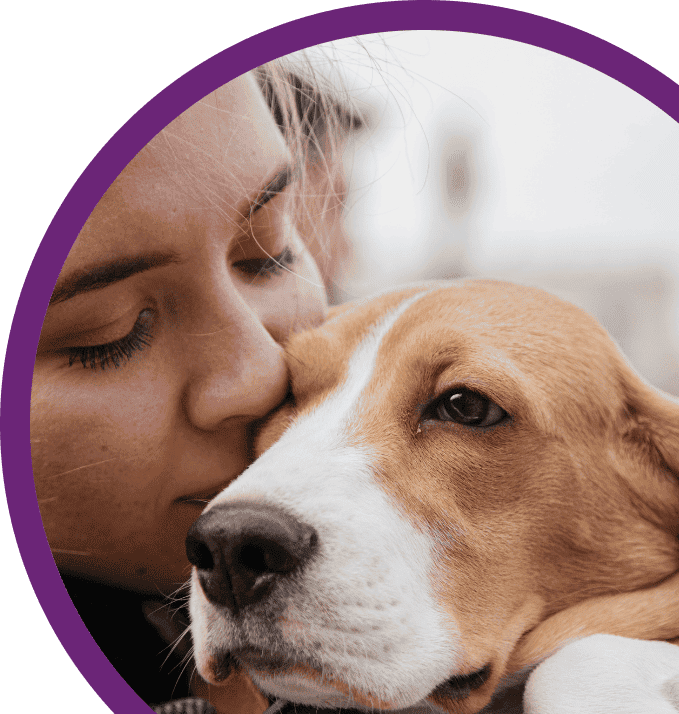
Our friendly team is always ready to support you. Our mobile veterinary service brings professional care straight to your home, making veterinary visits more convenient and pleasant for you and your pet. Whether you need advice, routine care, or treatment, we’re here to answer your questions and provide a calm, personalised service in the comfort of your own surroundings.
If you’re considering pet euthanasia at home and want to understand the process, costs, or aftercare options, or if you’d like to know more about our other services, please reach out to our experienced team today.
If you’re considering pet euthanasia at home and want to understand the process, costs, or aftercare options, or if you’d like to know more about our other services, please reach out to our experienced team today.

Vets 2 Your Pets
Vets 2 Your Pets
Send us a message and we'll get right back to you.
