 Skip to content

Travelling with a pet should begin with careful planning, not a stressful journey to a busy surgery. An animal health certificate home visit allows the required travel checks and paperwork to be completed in the familiar surroundings of your own home, helping anxious, elderly and mobility-limited pets stay as calm as possible before a trip.
For families preparing to travel from Great Britain to the EU or Northern Ireland, an Animal Health Certificate, often called an AHC, may be required. It is an official document, completed by an authorised veterinary professional, that confirms your pet meets the relevant health and identification requirements for travel. The details matter, and so does the timing, so arranging the appointment early gives you and your pet the best chance of a smooth departure.
A home visit is not simply a form-filling exercise. Your veterinary professional must examine your pet, check their identification and review the evidence needed to issue an accurate certificate. At home, this can be done without the noise of a waiting room, unfamiliar smells or the pressure of travelling in a carrier or car.
The appointment usually begins with a calm review of your travel plans. Your vet will need to know where you are travelling, the date you intend to enter the EU or Northern Ireland, how you are travelling and whether you expect to visit more than one country. These details affect which requirements apply.
Your pet’s microchip will be scanned and matched to their vaccination record. The vet will check that the rabies vaccination is valid and was given after the microchip was implanted. They will also carry out a clinical examination to make sure your pet is fit to travel. If everything is in order, the certificate can be completed with the relevant owner, pet and journey details.
For many pets, the quieter setting makes a meaningful difference. A nervous cat can remain in their own room until needed. A dog with painful joints does not need to climb in and out of the car. Multi-pet households can have paperwork reviewed with the vaccination cards close to hand. The clinical standards remain the same, but the experience can feel much gentler.
An Animal Health Certificate must normally be issued no more than 10 days before your entry into the EU or Northern Ireland. That does not mean waiting until the last minute to contact a veterinary team. Availability, missing records and vaccination dates can all affect whether an appointment can be arranged in the right window.
The most common delay involves rabies vaccination. For a first rabies vaccination, or a booster given after the previous vaccination has expired, your pet generally needs to wait at least 21 days before travelling. The microchip must have been fitted before the rabies vaccination is given. If the microchip number, date or vaccine details are unclear in the record, this needs resolving well before the certificate appointment.
A sensible approach is to check your documents several weeks before travel, then book the certificate visit for the permitted period before your departure. If you are travelling during school holidays, Christmas or other busy periods, earlier planning is especially helpful.
The certificate is usually valid for 10 days for entry into the EU or Northern Ireland, then for onward travel within the EU and return to Great Britain for a limited period. Rules can change, and requirements are not identical for every route. Your veterinary professional can guide you on the paperwork relevant to your planned journey, but it remains wise to check the latest entry rules for each destination and carrier before you travel.
A little preparation can make the visit calmer and more efficient. Keep your pet’s rabies vaccination record and any previous travel documents together. You will also need the owner’s details, your planned travel date, the countries you will visit and your pet’s microchip information.
If more than one person is involved in travelling with the pet, confirm in advance whose name should appear as the owner or person responsible on the documentation. Small discrepancies in names, microchip numbers or dates can create problems at the border, so accuracy is essential.
For dogs, check whether your route requires tapeworm treatment. Dogs travelling directly to Finland, Ireland, Malta, Norway or Northern Ireland may need a treatment administered by a vet within a specific time frame before arrival. This is not needed for every destination, and it is not a requirement for cats or rabbits, but it should be discussed when the journey is planned.
On the day, make sure your pet is safely available for their examination. Cats may be more settled in a quiet room with doors and windows closed. Dogs benefit from a calm routine and a comfortable space where they can be examined without distraction. Your veterinary professional will work patiently, allowing your pet time to settle where possible.
For many households, yes. A home appointment is particularly helpful for pets who find car journeys difficult, become frightened around other animals or have health conditions that make a trip to a clinic uncomfortable. It can also be a practical choice for owners with limited mobility, young children or several pets requiring travel documentation.
There are occasions when a clinic appointment may be more appropriate. If your pet needs additional investigations, has an urgent health concern or requires treatment that cannot safely be provided at home, further care may be advised. An AHC can only be issued when the veterinary professional is satisfied that the legal and clinical requirements have been met. A compassionate service should never promise paperwork before the records and examination have been properly checked.
Pets travelling outside the EU may need different certificates, import permits, blood tests or parasite treatments. Some countries have longer preparation times and more complex rules. An Animal Health Certificate is not a universal travel passport, so be clear about every country on your itinerary, including stopovers where relevant.
Travel paperwork can feel daunting because it is time-sensitive and precise. Yet the process does not need to add unnecessary stress to your pet’s life. With an experienced veterinary professional visiting your home, you have the space to ask questions, present your documents and focus on your pet’s comfort.
At Vets 2 Your Pets, appointments are supported by qualified healthcare professionals who understand that practical veterinary care should also feel personal. Whether your pet is a confident young dog, a carrier-shy cat or an older companion who needs a slower pace, the aim is to provide clear guidance and careful clinical attention where they feel safest.
Before you pack the lead, carrier and favourite blanket, take a quiet moment to check the dates on your pet’s rabies record. Early preparation leaves room for reassurance, rather than rushing, and helps your journey begin with your pet comfortable, protected and ready to stay close to the people they love.
In recent years, the veterinary landscape has evolved to meet the changing needs and preferences of pet owners. One significant development is the rise of home visit vets, offering a range of services from vaccinations to compassionate end-of-life care. As a leading home visit vet company in the UK, we...
Covering multiple regions with rapid response times and expert clinicians who know your area.
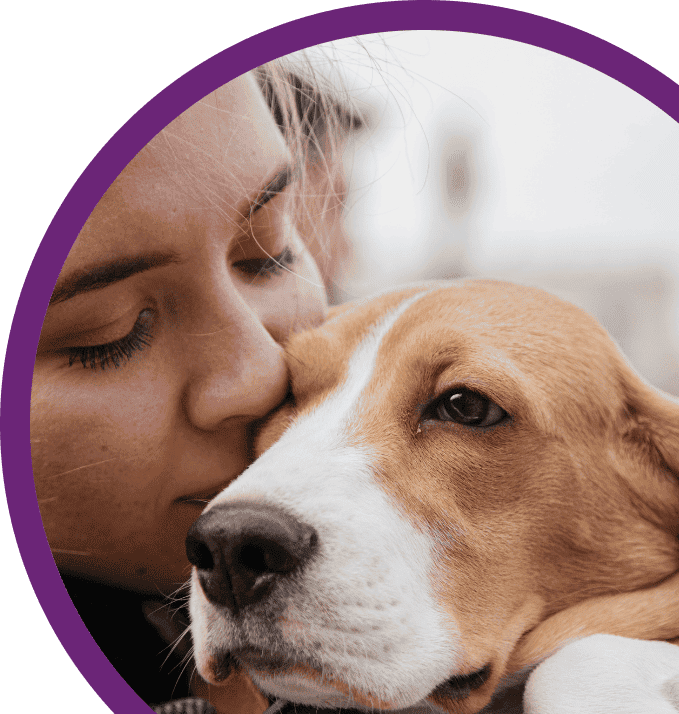
Our friendly team is always ready to support you. Our mobile veterinary service brings professional care straight to your home, making veterinary visits more convenient and pleasant for you and your pet. Whether you need advice, routine care, or treatment, we’re here to answer your questions and provide a calm, personalised service in the comfort of your own surroundings.
If you’re considering pet euthanasia at home and want to understand the process, costs, or aftercare options, or if you’d like to know more about our other services, please reach out to our experienced team today.
If you’re considering pet euthanasia at home and want to understand the process, costs, or aftercare options, or if you’d like to know more about our other services, please reach out to our experienced team today.

Vets 2 Your Pets
Vets 2 Your Pets
Send us a message and we'll get right back to you.
