 Skip to content
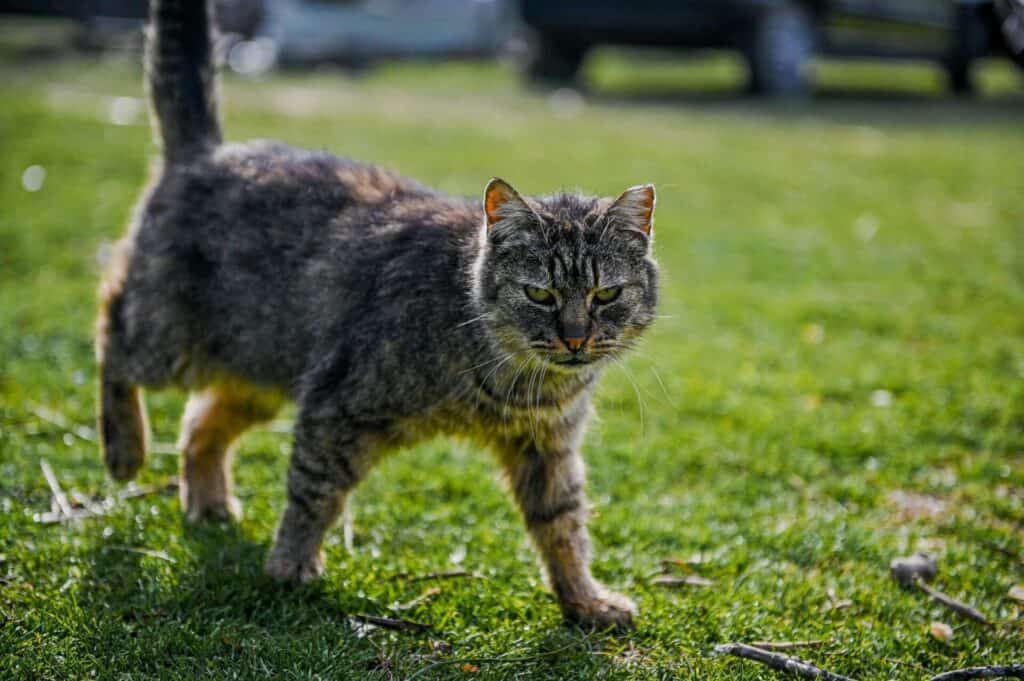
As cats grow older, many owners assume that slowing down or jumping less is simply part of ageing. In reality those changes often point to a hidden but important condition: arthritis, also known as osteoarthritis or degenerative joint disease.
Recognising the early signs and seeking veterinary care can help your cat stay active and comfortable for longer. Arthritis isn’t just ‘getting old’, it’s a painful condition.
Arthritis is a long-term condition that causes inflammation and pain inside the joints. As the cartilage wears down, bones rub together, leading to stiffness, reduced mobility, and discomfort.
Research shows that up to 90 % of cats over 12 years old have signs of arthritis on X-rays, though many go undiagnosed because cats hide pain so well. It’s up to us as owners and veterinary care teams to spot the early signs so your cat isn’t experiencing pain and hiding it from you.
While arthritis cannot be cured, it can often be managed successfully for many years. Early recognition, pain control, and lifestyle adjustments can make a big difference to your cat’s quality of life.
Cats rarely limp or cry out when they are sore. Instead, their behaviour changes gradually. Look for:
If you notice any of these changes, schedule a veterinary check-up. Subtle early signs are much easier to manage than advanced mobility decline, and and early diagnosis means earlier pain relief.
| Factor | Influence |
|---|---|
| Age | Senior cats are far more likely to develop joint disease. |
| Excess body fat | Overweight cats experience more joint strain and inflammation. |
| Previous injury | Old fractures or dislocations can lead to arthritis later in life. |
Keeping your cat lean and active is one of the best ways to protect their joints over time.
At your appointment, your vet will consider your observations and perform a full mobility assessment:
This comprehensive approach helps the vet tailor a safe and effective treatment plan.
Successful treatment usually combines several strategies, a multimodal approach is needed.
Keeping your cat slim is one of the most effective ways to ease joint pain. Veterinary diets with omega-3 fatty acids or joint-supporting nutrients can also help. If you’d like some support with a gentle weight loss plan, speak to your vet or veterinary nurse.
Your vet may recommend:
Always follow veterinary guidance and never give human painkillers to cats, many are toxic.
Simple home adjustments can make life easier:
Controlled activity helps keep joints flexible and muscles strong. Your vet may suggest light play, stretching, or referral to a feline physiotherapist.
Arthritis is lifelong, so regular monitoring is essential.
Keep a diary of your cat’s movement, appetite, and grooming habits. Schedule periodic check-ups to adjust medication or supplements as needed.
If your cat becomes less mobile again, the treatment plan can be adapted to restore comfort. Keep your veterinary team updated on any changes.
Arthritis in older cats is common but manageable. With early diagnosis, the right pain relief, and a few thoughtful home changes, you can help your cat enjoy their golden years in comfort and confidence.
If your cat seems slower, quieter, or less willing to jump, book a consultation with your vet. Early action can make a lasting difference.
Table of Contents Welcome to our detailed and informative guide, designed to provide cat owners with a comprehensive understanding of cancer in felines. Cancer, also known as neoplasia, is a prevalent and devastating disease affecting cats worldwide. In this blog post, we will explore the types and signs of feline...
Covering multiple regions with rapid response times and expert clinicians who know your area.

Our friendly team is always ready to support you. Our mobile veterinary service brings professional care straight to your home, making veterinary visits more convenient and pleasant for you and your pet. Whether you need advice, routine care, or treatment, we’re here to answer your questions and provide a calm, personalised service in the comfort of your own surroundings.
If you’re considering pet euthanasia at home and want to understand the process, costs, or aftercare options, or if you’d like to know more about our other services, please reach out to our experienced team today.
If you’re considering pet euthanasia at home and want to understand the process, costs, or aftercare options, or if you’d like to know more about our other services, please reach out to our experienced team today.

Vets 2 Your Pets
Vets 2 Your Pets
Send us a message and we'll get right back to you.
