 Skip to content
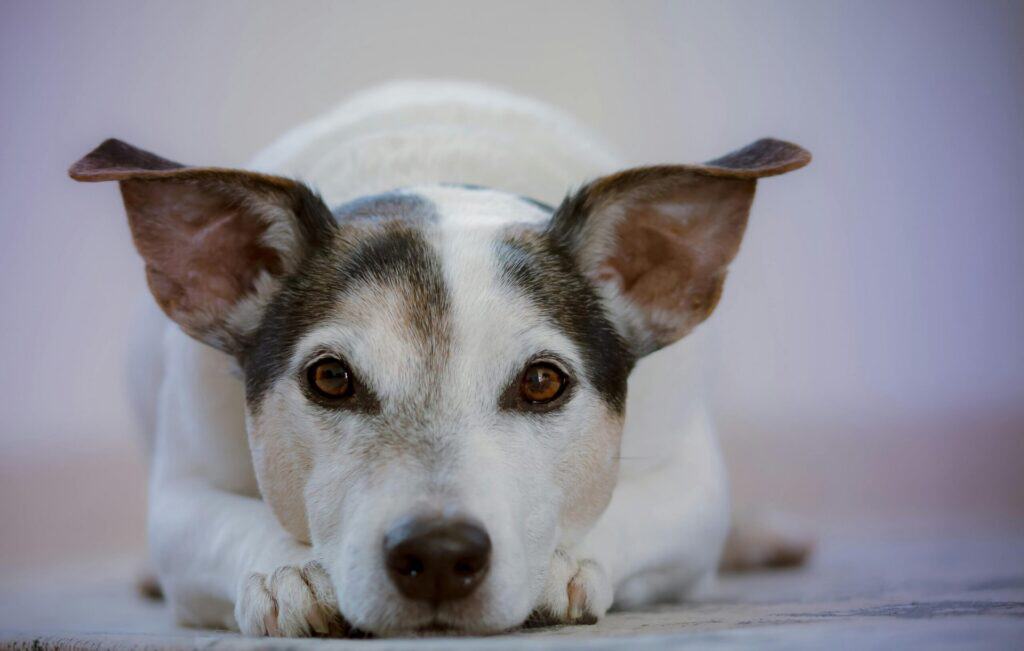
As our dogs age or face chronic illness, many of us struggle with a difficult question: Is my dog still enjoying life, or is suffering outweighing comfort? Quality of life (QoL) is a concept that helps answer that question. Not by giving one perfect, black-and-white answer, but by providing a thoughtful framework. In this article, we’ll explore what “quality of life” means for dogs, why it’s hard to measure, and practical tools you and your vet can use to monitor it over time.
Because dogs can’t tell us how they feel, QoL must be inferred from observable signs, behaviour, and health. In general, it encompasses multiple domains:
Quality of life can’t be judged by one sign alone, it’s about the bigger picture, and especially changes over time.
It can be overwhelming to weigh up everything your dog is experiencing. Tools provide structure, help track changes, and give you and your vet a shared language when discussing what comes next. Dogs can’t self-report, meaning they can’t tell you how they feel. This means all assessments rely on those involved in their care (you, the caregiver, or the vet). It’s important to have an honest view of your dogs current condition, as they rely on you to know when something is wrong. Variation over time, one snapshot is rarely enough. What matters more is trends and patterns, e.g. worsening mobility or decreasing interest in previously enjoyed things.
Here are a couple of established frameworks that many veterinarians and pet owners find helpful.
One of the more widely recommended general tools is the Hurt, Hunger, Hydration, Hygiene, Happiness, Mobility, More good days than bad (HHHHHMM) scale.
You assign a score (usually 0 to 10) in each category:
Scoring regularly over time can show whether quality of life is improving, stable, or declining. Many owners find keeping a diary alongside this scale especially useful.
The RCVS “inFOCUS” spotlight lists several quality-of-life tools used in practice, including general questionnaires and welfare assessment grids. These can help structure your observations and support conversations with your vet.
Pick one tool and use it consistently; for example, fill in the HHHHHMM scale weekly or after any health change.
Keep a diary or log alongside the scores. Noting things like “struggled to climb stairs today” or “ate with enthusiasm” can make patterns clearer over time.
Bring your notes to veterinary appointments. They provide valuable insight and help your vet suggest adjustments to treatment or care.
Look for trends rather than focusing on single bad days. Occasional off days are normal, but steady decline is more significant.
And always consider the overall balance of good days against bad days. This simple measure often says more than any score alone.
While QoL tools are helpful, certain signs should always prompt concern:
When several of these signs occur together, it may suggest your dog’s quality of life is slipping.
Measuring quality of life in dogs is never easy, but it can bring clarity at a time when emotions run high. Tools like the HHHHHMM scale offer a way to make the intangible more visible, helping you track changes and guide compassionate decisions.
Above all, remember: you know your dog best. Combine your observations with veterinary guidance, and together you can make choices that prioritise comfort, dignity, and love.
We understand just how personal and difficult decisions about your pet’s life and care can be, especially when they’re facing an illness that’s hard or not possible to treat. That’s why we offer a dedicated Palliative Care Home Assessment / Quality of Life Assessment to be carried out in your pet’s familiar surroundings.
During this assessment, one of our experienced vets visits your home to:
By doing this in your own home, we gain insight into your pet’s real living conditions : mobility in familiar spaces, access to water or favoured areas, and how your pet behaves in their own environment. We believe this gives a complete picture of your pet’s current situation and allows the vet to identify any changes that might help.
If you feel uncertain about whether the time is coming to say goodbye, or whether there’s still a path to more comfort, we’re here to help. Reach out and we can arrange a Quality of Life Assessment at home to guide you gently through what’s next.
When the Stride Slows: Understanding Arthritis and Mobility Decline in Older Dogs As dogs age, owners often notice them moving less or hesitating before walks and stairs. These changes are not always just “getting old.” They can signal arthritis — a progressive joint condition that causes pain, stiffness, and loss...
Covering multiple regions with rapid response times and expert clinicians who know your area.
Our friendly team is always ready to support you. Our mobile veterinary service brings professional care straight to your home, making veterinary visits more convenient and pleasant for you and your pet. Whether you need advice, routine care, or treatment, we’re here to answer your questions and provide a calm, personalised service in the comfort of your own surroundings.
If you’re considering pet euthanasia at home and want to understand the process, costs, or aftercare options, or if you’d like to know more about our other services, please reach out to our experienced team today.
If you’re considering pet euthanasia at home and want to understand the process, costs, or aftercare options, or if you’d like to know more about our other services, please reach out to our experienced team today.

Vets 2 Your Pets
Vets 2 Your Pets
Send us a message and we'll get right back to you.
