
A litter can be lively, noisy and beautifully unpredictable, but its early healthcare should never feel disorganised. This breeder microchipping guide explains how to plan the process with confidence, meet your responsibilities and give each puppy or kitten a calm start before joining a new family.
Microchipping is a small procedure, yet the record attached to it can make a lasting difference. If an animal is lost, found injured or separated from its owner, an accurate chip and database record give veterinary professionals, rescue teams and local authorities a practical way to identify them and help reunite them with the right person.
For a breeder, microchipping is more than an item on a new-owner checklist. It creates a clear, permanent link between each young animal and their individual health and ownership record. This can be particularly helpful in a litter where siblings look alike, or where veterinary treatments, weights and future homes need to be recorded carefully.
A microchip is a tiny device, about the size of a grain of rice, placed beneath the skin by a trained professional. It carries a unique number which is read with a scanner. The chip itself does not track an animal’s location and it does not replace a collar tag, but it provides a reliable form of identification that cannot be easily lost.
Good records protect the animals as well as the breeder. They allow you to show that each puppy or kitten has been properly identified, support a smooth handover to the new keeper and reduce avoidable confusion if ownership is ever questioned.
Microchipping law and guidance can differ between the nations of the UK, and requirements may change. As a general rule, puppies must be microchipped by the time they are eight weeks old and before they are transferred to a new keeper. The breeder should be recorded as the first keeper on an appropriate database before the puppy goes to their new home.
For kittens, legal requirements are not identical across every part of the UK. In England, cats must be microchipped before 20 weeks of age, while requirements and implementation in Scotland, Wales and Northern Ireland may differ. Even where a kitten is leaving before the legal deadline, early identification can be sensible when it is done at an appropriate time by a qualified professional.
Because legislation is not a substitute for individual advice, check the current requirements for the nation where you breed and where the animal will live. If you are subject to a local authority breeding licence, review its conditions too. Licensing rules may set expectations around records, veterinary care, socialisation and the age at which puppies can leave.
No puppy should leave their mother before eight weeks of age, except in very limited circumstances. Microchipping should sit within a wider welfare plan, not become a reason to rush a youngster towards a sale date.
A chip number is only useful if the accompanying record is correct. Once each animal has been chipped, make sure the number is registered on a compliant pet microchip database with your name and contact details as breeder or first keeper. Keep the confirmation alongside the puppy or kitten’s health records.
At handover, provide the new owner with the chip number, database name and clear instructions for changing the keeper details promptly. They should also update their address and telephone number whenever either changes. A surprisingly large number of lost pets are chipped but cannot be reunited quickly because the database information is out of date.
Avoid relying on a handwritten note alone. Check every chip number against the correct animal while the litter is still with you, and retain a copy of the registration confirmation. For similar-looking puppies or kittens, this simple step prevents a stressful administrative error later.
The best timing depends on species, age, size, health and the individual animal’s temperament. For puppies, the legal deadline means breeders often arrange microchipping in the weeks before the litter is ready to leave. For kittens, there may be more flexibility, but it is still worth planning around their routine health care and intended rehoming date.
A health check before or alongside microchipping gives the professional carrying out the procedure an opportunity to assess whether each youngster is well enough on the day. A puppy or kitten who is unwell, unusually small, dehydrated or recovering from illness may need an individual plan rather than a standard appointment.
Some breeders choose to combine microchipping with a litter health check and first vaccinations where age and clinical advice allow. This can be practical, but it should not be treated as an automatic package. Vaccination schedules vary, and a young animal’s welfare always comes before convenience. Your veterinary professional can advise on the most suitable sequence for your litter.
Young animals often take their emotional cues from the people around them. A busy waiting room, car journey and unfamiliar smells can make an otherwise brief procedure feel much bigger than it is. Arranging care in the familiar surroundings of home may be particularly helpful for a whole litter and their mother.
Prepare a clean, warm, well-lit space where the animals can be handled safely. Have a helper available if possible, especially for larger litters. Keeping siblings nearby, using gentle handling and allowing time between each youngster can prevent the process feeling rushed.
The procedure is quick, but there can be a brief moment of discomfort as the chip is implanted. A trained veterinary professional will use appropriate restraint, check that the chip can be scanned and make sure each identification number is correctly matched to the right animal. Most puppies and kittens settle very quickly afterwards.
Monitor the implantation site over the following days. Mild sensitivity may occur, but swelling, discharge, persistent discomfort or changes in behaviour should be discussed with a veterinary professional. It is also sensible to have the chip scanned at later routine appointments, particularly before an animal leaves for their new home.
Before the appointment, prepare an individual record for every puppy or kitten, including their temporary name, sex, colour or distinguishing markings, date of birth and intended new owner if known. On the day, confirm that each animal is healthy enough to proceed and ensure there is a calm, safe handling area.
Afterwards, record the chip number against the correct youngster immediately, register the information accurately and retain evidence of registration. Give each new owner a clear health pack containing the chip details, vaccination information where applicable, feeding guidance and the date of any next recommended treatment.
It is worth explaining the transfer process in person rather than assuming a buyer will manage it later. Ask them to confirm once their database details have been updated. This is a small act of care that protects the animal long after they have left your home.
For breeders managing a litter, transporting multiple young animals can be complicated. There is the practical challenge of secure carriers, temperature control and keeping the mother settled, alongside the risk of exposing young animals to a busy clinical environment before they need to be there.
An at-home appointment can allow litter microchipping, health checks and, where clinically suitable, vaccinations to take place where the animals are already comfortable. Vets 2 Your Pets provides professional mobile veterinary care, so breeders can arrange qualified support without moving an entire litter through a waiting room.
That does not mean every circumstance is suited to a home visit. If a youngster needs diagnostics, urgent treatment, imaging or hospital-level monitoring, a veterinary surgery or hospital may be the safer choice. A caring plan is one that uses the right setting for the animal’s needs, not simply the most convenient one.
The handover conversation is a valuable part of responsible breeding. Explain that a microchip is not proof of legal ownership by itself, but it is a vital identification record. Encourage owners to use a secure collar tag once their puppy or kitten is old enough and safe to wear one, and remind them to scan the chip at future veterinary visits.
A well-organised start tells new families that their animal has been raised with care. More importantly, it gives every puppy and kitten a better chance of finding their way home should they ever become lost – a quiet reassurance that remains valuable throughout their life.
Covering multiple regions with rapid response times and expert clinicians who know your area.
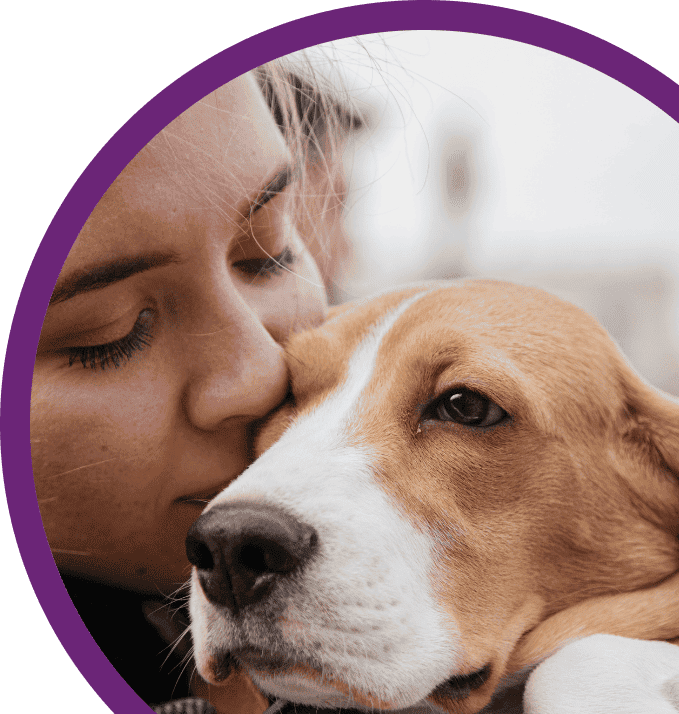
Our friendly team is always ready to support you. Our mobile veterinary service brings professional care straight to your home, making veterinary visits more convenient and pleasant for you and your pet. Whether you need advice, routine care, or treatment, we’re here to answer your questions and provide a calm, personalised service in the comfort of your own surroundings.
If you’re considering pet euthanasia at home and want to understand the process, costs, or aftercare options, or if you’d like to know more about our other services, please reach out to our experienced team today.
If you’re considering pet euthanasia at home and want to understand the process, costs, or aftercare options, or if you’d like to know more about our other services, please reach out to our experienced team today.

Vets 2 Your Pets
Vets 2 Your Pets
Send us a message and we'll get right back to you.
