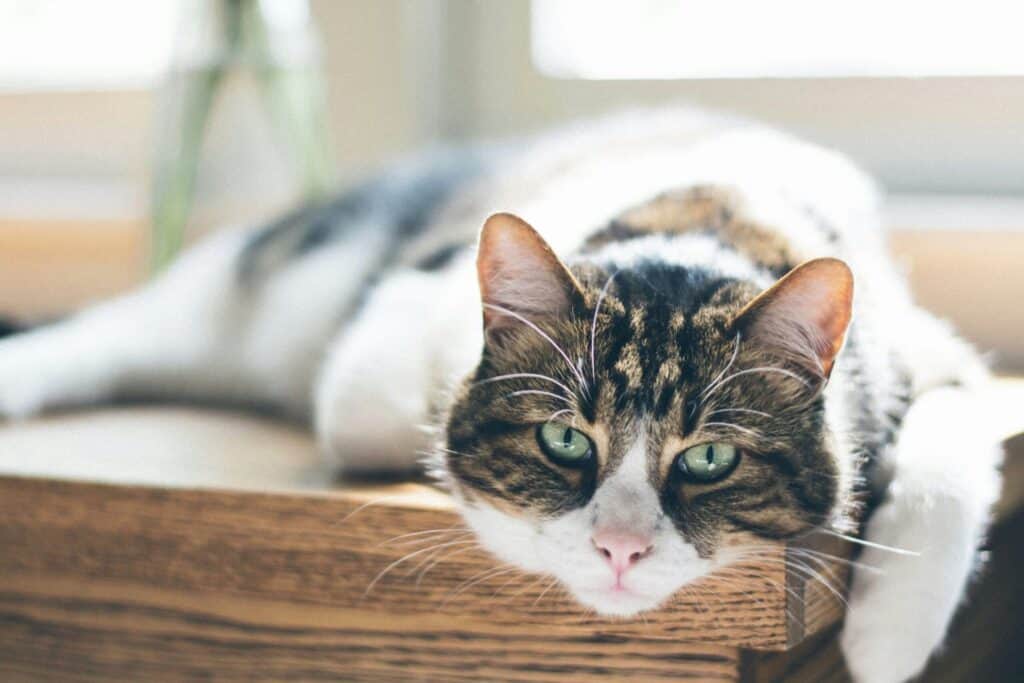
When a much-loved cat reaches the end of their life, what you want most is calm, kindness and time. Many families tell us they hope their cat’s last day can feel like an ordinary cosy day at home, with favourite blankets, soft voices and no stressful travel.
This guide explains how home end-of-life care works with Vets 2 Your Pets, how to recognise when a cat may be suffering, what to expect during a home euthanasia visit, aftercare choices for ashes and keepsakes, and what to do if your pet passes naturally at home. We also outline the typical factors that affect cost and how to talk openly about budget.
If you are unsure whether it is time, you are not alone. A gentle, in-home quality-of-life assessment can help you understand your cat’s comfort and plan the kindest next steps.
Yes. In the UK, euthanasia can be carried out at home by a Royal College of Veterinary Surgeons (RCVS) registered vet. Vets 2 Your Pets offers in-home euthanasia for cats, with unhurried appointments, careful sedation and space for your family to be present if you wish. Many owners find the home setting quieter and more private, especially for anxious or indoor cats.
If you would like to understand how a home visit works in your area, our team can explain availability and travel considerations for your postcode. You can also read more about our dedicated support for at home cat euthanasia on our website.
Cats are experts at hiding pain. Look for small day-to-day changes and patterns over time. Signs a cat may be suffering can include:
Poor quality of life is usually about balance. If the bad days outnumber the good, if pain relief no longer helps, or if your cat cannot enjoy their usual comforts, it may be time to talk. Our in-home assessments observe your cat where they feel safest and consider appetite, comfort, mobility, breathing, toileting, sleep and happiness. We will always be honest and gentle, and if you are not ready, we can plan supportive care and review again later.
Every appointment is unhurried and tailored to your wishes. A typical visit includes:
Who can be present is entirely your choice. Many families include children or another pet so they can understand and grieve together. We can guide you on ways to prepare children and how to help other pets process the change.
Do cats feel pain when being euthanised? No. With proper sedation and a gentle approach, the procedure is designed to be pain-free and peaceful.
We can coordinate aftercare with trusted local crematoria and explain each choice with sensitivity.
Keepsakes can include a paw print, a lock of fur, personalised urns and memory items. If you prefer to make your own arrangements, we will support that too. For practical questions or emotional support, you may find our pet bereavement support resources helpful.
You can learn more about arranging an individual pet cremation and typical pet cremation service choices on our site, including options and respectful handling.
Families often ask, how much does cat euthanasia cost in the UK? Prices vary between providers and regions. At Vets 2 Your Pets, we explain costs clearly before you decide. Factors that typically affect cost include:
What happens if I cannot afford to put my cat down at home? Please reach out. We can discuss options, including a home quality-of-life assessment to plan comfort care, a clinic-based alternative via a partner practice, or staged arrangements where possible. Charities or payment assistance schemes may be available locally, and we can signpost you. We will never judge you for raising budget early. Transparent, kind conversations help everyone plan the most compassionate route.
A vet’s first duty is animal welfare, guided by the RCVS Code of Professional Conduct. If the vet believes euthanasia is not in the animal’s best interests at that moment, they may recommend further assessment, treatment or a review period. That said, when quality of life is poor and suffering is likely to continue, vets will explain why euthanasia may be the kindest decision and help you through it. If opinions differ a second clinical opinion can be arranged.
This can happen quietly, especially with very elderly or terminally ill cats. If you are unsure your cat has passed, call us for guidance. Once death is confirmed:
Small, thoughtful steps can make the day gentler:
We provide in-home quality-of-life assessments, palliative support and pet euthanasia at home with unhurried, family-centred care. You can also find more information on our Cat Euthanasia at Home page. Aftercare is coordinated with trusted partners, whether you choose communal or individual cremation with ashes returned. If you need guidance with grief, our pet bereavement support page offers practical help and resources.
If you are considering a home farewell or would like an honest quality-of-life assessment, contact Vets 2 Your Pets. We will listen, explain your options and help you plan a peaceful goodbye when the time is right.
Covering multiple regions with rapid response times and expert clinicians who know your area.
Our friendly team is always ready to support you. Our mobile veterinary service brings professional care straight to your home, making veterinary visits more convenient and pleasant for you and your pet. Whether you need advice, routine care, or treatment, we’re here to answer your questions and provide a calm, personalised service in the comfort of your own surroundings.
If you’re considering pet euthanasia at home and want to understand the process, costs, or aftercare options, or if you’d like to know more about our other services, please reach out to our experienced team today.
If you’re considering pet euthanasia at home and want to understand the process, costs, or aftercare options, or if you’d like to know more about our other services, please reach out to our experienced team today.

Vets 2 Your Pets
Vets 2 Your Pets
Send us a message and we'll get right back to you.
