
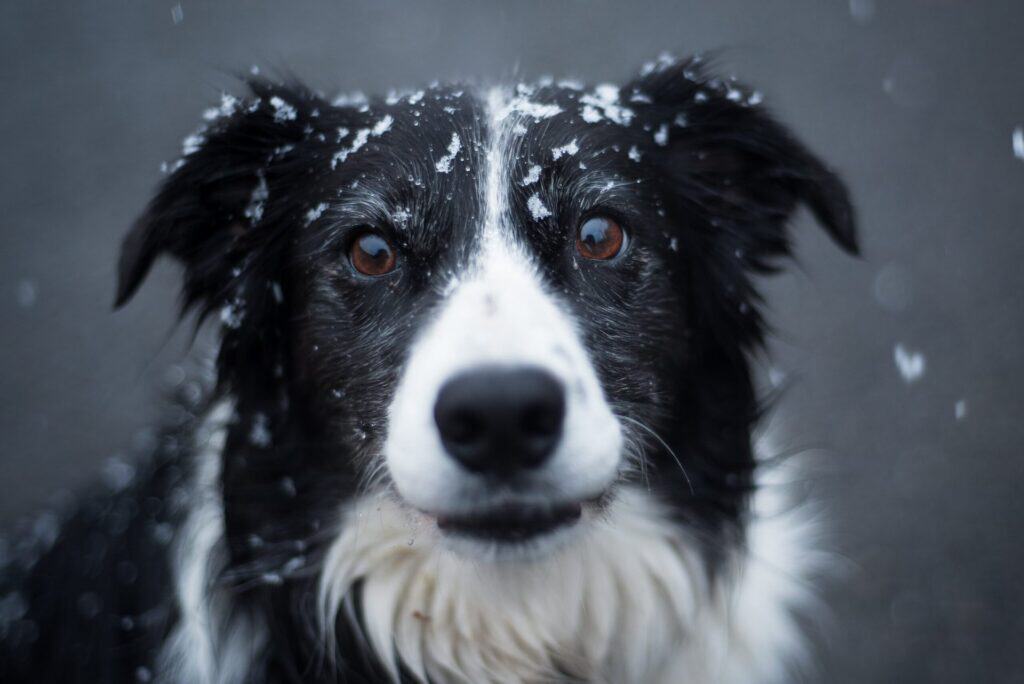
Winter is a time of joy and wonder, but it also comes with its fair share of hazards, especially for our furry companions. As temperatures drop and snowflakes start to fall, it’s essential to be aware of the potential dangers that cats and dogs can face during this season. From grit and salt on the roads to toxic festive food, there are several risks we need to safeguard against to keep our pets safe and sound.

Image courtesy of Elina Volkova via Pexels
In this blog you will find information on:
The Battle with Grit and Salt
Winter roads and pavements often become a battleground against icy conditions, and grit and salt are commonly used to minimise the risks of slipping. While these substances may help with human safety, they can pose hazards to our pets. When our furry friends walk on paved surfaces treated with grit and salt, they can end up with these abrasive substances on their paws, causing irritation and potential damage to their delicate paw pads.
To protect your pet, it’s important to take certain precautions. After walks or outdoor playtime, remember to wipe down your pet’s paws thoroughly. Use a damp cloth or pet-safe wipes to remove any grit and salt residue. Additionally, you can consider using pet-friendly boots or paw protectors to shield their paws from direct contact with these substances.
Snow and Ice Burn
While snow may seem like an enchanting playground for our pets, it can present certain dangers, one of which is snow and ice burn. When dogs and cats spend prolonged periods in snowy or icy conditions, they are susceptible to developing snow and ice burn on their paws. This occurs when the cold contact continuously chills the skin, leading to discomfort and potential tissue damage.
To ensure your pet’s safety, it’s crucial to limit their exposure to snow and ice, especially during extreme weather conditions. Opt for shorter walks or find dog-friendly paths that have been cleared of ice and snow. Additionally, consider investing in pet-safe snow boots to provide an extra layer of protection. Use of coats and jumpers for dogs can help keep them warm during cold winter walks. Always keep an eye out for signs such as limping, excessive licking, or redness on the paws, as these could indicate snow and ice burn. If you notice any of these symptoms, contact your veterinarian for guidance.

Toxic Festive Food for Cats and Dogs
As the holiday season approaches, it’s important to be aware of the festive foods that can be harmful to our furry friends. Some of the delightful treats that we humans enjoy can have disastrous effects on the health of our pets. Chocolate, grapes, raisins, onions, and alcohol are just a few examples of the festive foods that can be toxic to cats and dogs.
It’s crucial to keep these items out of your pet’s reach and to never intentionally share them. Chocolate contains theobromine, a substance that can be poisonous to our furry companions. Grapes and onions, on the other hand, can cause kidney damage and anaemia. Alcohol, even in small quantities, can lead to serious health issues such as intoxication, vomiting, and even coma in pets.
Instead of risking your pet’s well-being, offer them pet-friendly treats specifically designed for their consumption. These treats are not only delicious but also safe for their delicate systems. If you suspect your pet has ingested any of these toxic foods, contact your veterinarian immediately for appropriate advice.
Beware of Toxic Festive Plants
Alongside festive foods, certain plants that are commonly associated with the holiday season can be harmful to our furry friends. Poinsettias, lilies, and mistletoe, for instance, can cause significant health issues if ingested by cats or dogs.
Poinsettias, often displaying vibrant red leaves, may cause mild gastrointestinal irritation in our pets. While lilies, which are widely used in floral arrangements, are toxic to cats and can cause kidney failure if ingested. Mistletoe, another popular holiday plant, can lead to a range of symptoms such as drooling, vomiting, diarrhoea, and even collapse.
To ensure your pet’s safety, be mindful of the placement of these plants within your home. If you have cats, it’s best to avoid having lilies altogether. Choose pet-friendly alternatives such as artificial plants or consult with your local plant expert to find non-toxic options that are safe for both your pets and the holiday spirit.
Antifreeze Toxicity
A common danger that arises during the winter season is the use of antifreeze in vehicles. Antifreeze contains a substance called ethylene glycol, which has a sweet taste that can attract pets. Unfortunately, even small amounts of this substance can be highly toxic and potentially fatal if ingested by cats or dogs. They may lick it directly off the floor, or from their paws if they have walked through some.
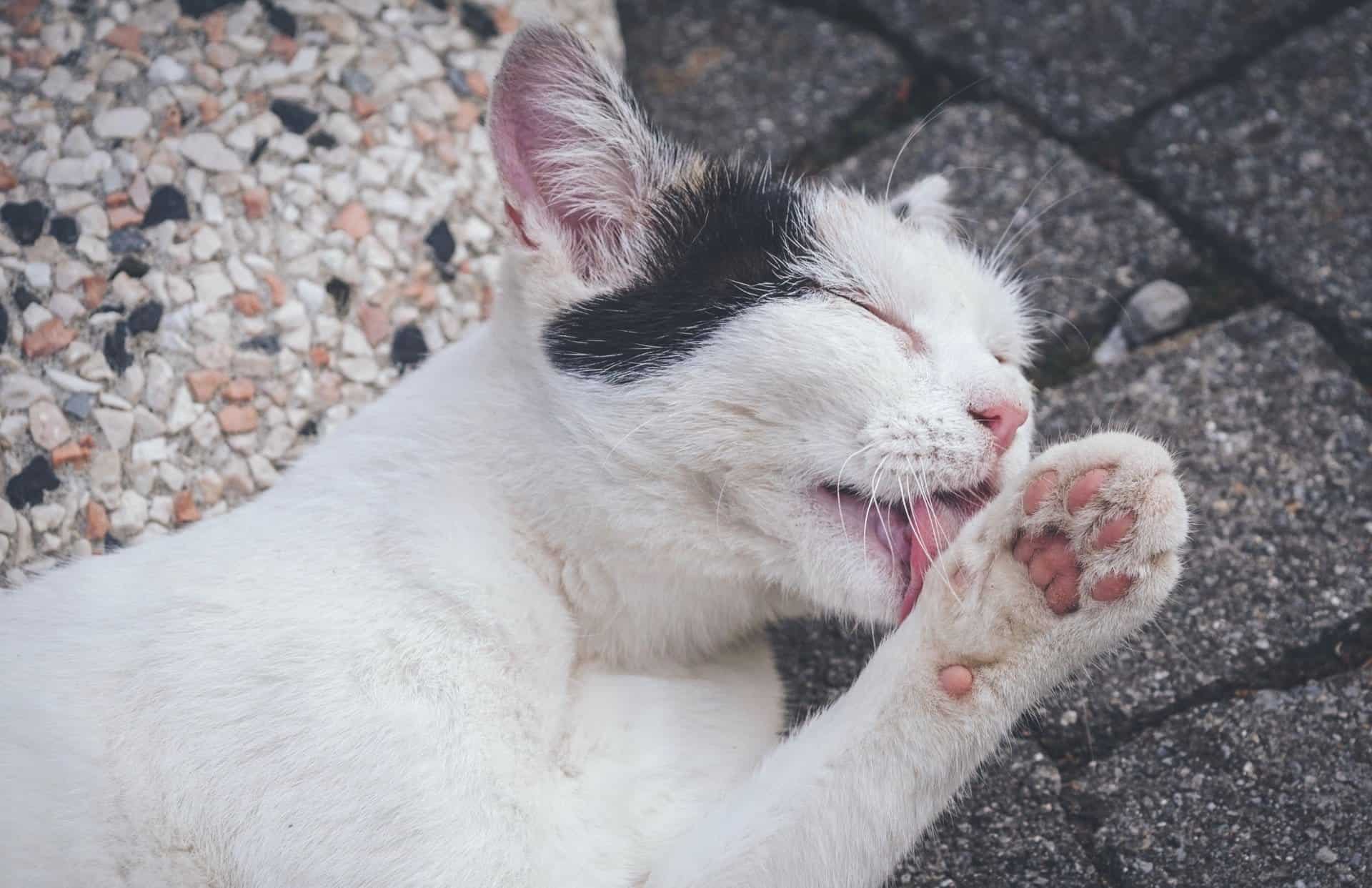
Image courtesy of Susanne Jutzeler via Pexels
To protect your pet from antifreeze poisoning, it’s crucial to handle and store this substance with the utmost care. Keep antifreeze tightly sealed and stored in an inaccessible area, out of your pet’s reach. If you suspect any antifreeze spills, clean them up immediately and thoroughly. Consider using a pet-safe antifreeze alternative that does not contain ethylene glycol.
Emergency Care for Pets: When You’re Unable to Drive
During the holiday season, celebrations often involve indulging in alcoholic beverages. However, it’s important to remember that responsible pet care should not be compromised by alcohol consumption. In situations where an emergency arises, and you find yourself unable to drive your pet to a veterinary clinic, there are alternative options to ensure they receive the immediate care they need.
One option is to have the contact information of a veterinary emergency service readily available. They can guide you on the necessary steps to take and provide advice on how to stabilise your pet’s condition until you can seek proper medical attention. Reach out to friends, family, or neighbours who can assist in transporting your pet if the situation requires immediate attention.
If available, you can use pet taxi services to transport your pet to a nearby veterinary clinic or emergency facility. Did you know about UberPet? Remember that your pet’s well-being is of utmost importance and it’s crucial to make responsible decisions based on their needs and safety.
Conclusion
Winter hazards can present numerous risks to our furry friends, but with the right knowledge and precautions, we can protect them from harm. By being mindful of potential dangers such as grit and salt, snow and ice burn, toxic festive food and plants, and antifreeze, we can ensure a safe and joyous winter season for our pets.
Remember to wipe down your pet’s paws after outdoor excursions, limit their exposure to snowy or icy conditions, and provide them with pet-safe alternatives for festive treats and decorations. By being vigilant and prioritising their well-being, you can make this winter a season of warmth and happiness for both you and your furry companions.