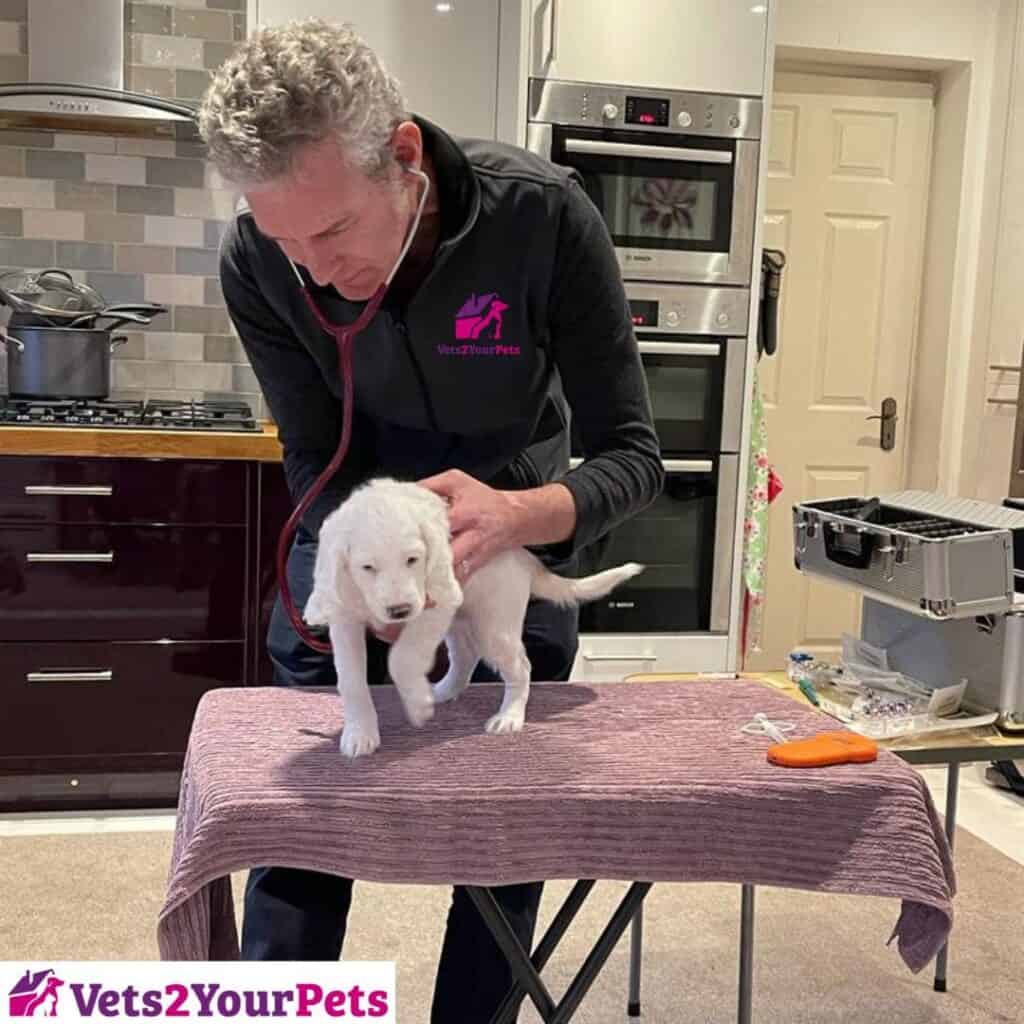
A mobile vet health check allows your pet to be assessed where they feel safest: at home, among familiar scents, people and routines. For an elderly dog who struggles to get into the car, a nervous cat who finds a carrier frightening, or a rabbit unsettled by travel, this can make a meaningful difference to the experience of veterinary care.
A home visit is not simply a more convenient version of a surgery appointment. It gives a qualified veterinary professional the opportunity to see how your pet moves, rests and behaves in their usual environment, while giving you time to discuss concerns without the pressure of a waiting room. Whether you have noticed a change in appetite, mobility, behaviour or comfort, a calm assessment can help you understand what should happen next.
The exact focus of a health check depends on your pet’s age, medical history and the reason for the visit. A routine check for a bright, healthy young pet will look different from an assessment for a senior cat who has lost weight or a dog whose arthritis appears to be worsening.
Your veterinary professional will begin by listening carefully to what you have noticed. Small details can be clinically useful: when a change began, whether it is constant or intermittent, what your pet is eating and drinking, how they are sleeping, and whether their toileting habits have altered. It is helpful to mention all medicines, supplements and parasite treatments your pet receives, even if they do not seem connected to the problem.
The physical examination may include checking your pet’s eyes, ears, mouth and teeth; listening to their heart and lungs; feeling the abdomen; assessing skin and coat condition; checking body weight and body condition; and looking at mobility, joints and posture. The vet may also discuss preventative care, including vaccinations, parasite control, microchipping and prescriptions where appropriate.
For pets with a known condition, the visit can focus on monitoring how they are responding to treatment. This may include recurring therapeutic injections such as Librela for canine osteoarthritis pain, Solensia for feline osteoarthritis pain, Cytopoint for allergic skin disease, or Suprelorin where clinically indicated. Treatment decisions are always based on an individual assessment and your pet’s wider health needs.
Many animals cope well with a visit to a veterinary practice. Others find the journey, carrier, unfamiliar noises and presence of other animals deeply unsettling. Cats may hide for hours before an appointment. Dogs with reduced mobility may find car travel painful. Rabbits are especially sensitive to stress and can become unwell quickly when frightened.
At home, your pet can remain in a familiar space and, in many cases, settle more easily after the initial excitement of a visitor. You can keep a favourite blanket nearby, offer quiet reassurance and avoid the disruption of travelling. For multi-pet households, a home visit also makes it easier to discuss each animal’s needs without arranging several separate journeys.
There are practical benefits for owners too. If you are caring for a pet with mobility problems, managing a busy household, recovering from illness or supporting a pet in their final stage of life, getting to a surgery may feel overwhelming. A mobile appointment brings professional guidance to you without asking your pet, or your family, to manage an unnecessary source of stress.
That said, home care is not the right setting for every situation. Some conditions require hospital equipment, imaging, surgery, intensive monitoring or emergency treatment that can only be provided in a clinical practice. If your pet is struggling to breathe, has collapsed, is having repeated seizures, has suffered significant trauma, cannot pass urine, or appears to be in severe distress, urgent emergency veterinary care is needed. When you make contact, clear triage support helps determine the safest route for your pet.
A health check is sensible whenever your pet seems different from their normal self, even if the change feels subtle. Animals are often skilled at hiding discomfort, particularly cats and rabbits. A quieter personality, reluctance to jump, less interest in food, increased thirst or changes in grooming can all be worth discussing.
For senior pets, regular checks can provide reassurance and help identify changes early. Ageing itself is not an illness, but older animals are more likely to develop conditions affecting mobility, dental health, kidney function, heart health or cognition. Observing a pet at home can be particularly useful when you are trying to explain changes in their daily quality of life.
A check can also be valuable before a concern becomes urgent. For example, a dog who is slowing down on walks may be experiencing joint discomfort rather than simply “getting old”. A cat who is using the litter tray differently may need investigation. An itchy pet may have allergies, parasites or a skin infection. Early assessment does not always mean a serious problem will be found, but it can prevent uncertainty from lingering and allow treatment to start sooner where needed.
For young animals and breeding households, at-home visits can make routine care more manageable. Litter vaccinations and microchipping can be arranged without transporting a whole litter to a busy practice, helping puppies and kittens remain in a familiar, controlled environment.
You do not need to make your home look clinical or have every answer ready. The purpose of the visit is to meet your pet in real life. A quiet room with good light is useful, and it can help to keep cats indoors shortly before the appointment so they are available when the veterinary professional arrives.
If possible, write down the main changes you have seen and when they started. Keep medication packets or a list of treatments close by. Short videos can be particularly helpful for symptoms that may not be visible during the appointment, such as limping after rest, coughing, unusual breathing sounds or episodes of altered behaviour.
Try not to withhold food unless you have been specifically advised to do so. Treats can help some pets feel more comfortable, although a nervous animal may prefer space and a quiet voice. Your veterinary professional will work at your pet’s pace wherever possible and explain what they are doing as the examination progresses.
Sometimes an appointment is booked because an owner is worried that their pet is declining. This can be an emotional and uncertain time. You may be wondering whether pain is controlled, whether your pet still enjoys the things they once loved, or whether you are asking them to cope with more than is fair.
A home assessment offers space for an honest, compassionate conversation about comfort and quality of life. There is rarely one single sign that gives every family an answer. Instead, the discussion may consider pain, appetite, hydration, mobility, toileting, sleep, interaction, good days and difficult days. The aim is not to rush you, but to give you clear clinical guidance and help you make decisions centred on your pet’s welfare.
When euthanasia is the kindest option, being at home can allow a gentle, peaceful farewell surrounded by love and familiar comforts. Families can ask questions, take the time they need and consider aftercare arrangements without the strain of leaving a veterinary practice immediately afterwards. For many people, this privacy matters as much as the clinical care itself.
A mobile service should never mean compromising on professional standards. Ask who will be attending, how concerns are triaged, what the appointment can and cannot provide, and what happens if your pet needs referral or urgent treatment. Clear answers protect your pet and give you confidence before the visit.
At Vets 2 Your Pets, telephone enquiries are supported by veterinary nurses, with appointments delivered by experienced veterinary professionals. This combination of compassionate guidance and clinical oversight is designed to make care feel calmer, not less thorough.
Your pet does not need to be at crisis point to deserve a thoughtful assessment. If something feels different, trust that knowledge of the animal you live with every day. A calm conversation and a professional health check at home can bring clarity, comfort and a plan that feels right for your pet and your family.
Welcome to Vets2 Your Pets: Your Trusted Home Visit Veterinary Service for your Litter Are you a dedicated breeder who strives to provide the best care for your adorable puppies and kittens? Vets 2 Your Pets offer convenient and stress-free first vaccinations, health checks, and microchipping services right in the...
Covering multiple regions with rapid response times and expert clinicians who know your area.
Our friendly team is always ready to support you. Our mobile veterinary service brings professional care straight to your home, making veterinary visits more convenient and pleasant for you and your pet. Whether you need advice, routine care, or treatment, we’re here to answer your questions and provide a calm, personalised service in the comfort of your own surroundings.
If you’re considering pet euthanasia at home and want to understand the process, costs, or aftercare options, or if you’d like to know more about our other services, please reach out to our experienced team today.
If you’re considering pet euthanasia at home and want to understand the process, costs, or aftercare options, or if you’d like to know more about our other services, please reach out to our experienced team today.

Vets 2 Your Pets
Vets 2 Your Pets
Send us a message and we'll get right back to you.
