
A litter can look wonderfully healthy, playful and ready for the world while still being at a vulnerable stage of immune development. Puppy breeder vaccines are an essential part of giving each puppy a safe start, but the right timing and protocol depend on the puppies, their mother, their future homes and the vaccine product being used.
For breeders, vaccination is not simply a box to tick before collection day. It is part of a wider plan that includes hygiene, nutrition, worming, microchipping, careful socialisation and clear communication with every new owner. A qualified veterinary professional can help make that plan practical, calm and appropriate for your litter.
Puppies receive some early protection from their mother’s first milk, known as colostrum. This maternal immunity is valuable, but it fades over time. The difficulty is that, while it is fading, it can also interfere with a vaccine response. That is why puppies need a course of vaccinations rather than one injection.
Core puppy vaccinations usually protect against canine parvovirus, canine distemper and infectious canine hepatitis, caused by canine adenovirus. These illnesses can be serious and, in some cases, life-threatening. Depending on the area, veterinary recommendation and vaccine used, protection against leptospirosis may also be included. Leptospirosis is a bacterial infection that can affect dogs and people, so your veterinary professional will discuss local risk and the most suitable option.
Some breeders also ask about kennel cough vaccination. This may be relevant where puppies will be exposed to multiple dogs, travelling, training classes, boarding or busy homes soon after leaving. It is not automatically right for every litter, so it should be considered in the context of each puppy’s likely circumstances.
There is no single timetable that suits every litter. Many first vaccinations are given from around six to eight weeks of age, but the minimum age, course interval and final dose timing vary between products. A puppy’s protection cannot be judged by age alone.
The later stages of the primary course are particularly important because they are intended to cover the point at which maternal antibodies have reduced enough for the puppy’s own immune system to respond properly. For this reason, new owners should not assume their puppy is fully protected just because it has received a first vaccination with the breeder.
Before arranging an appointment, your veterinary team will consider the puppies’ age, general health, the mother’s vaccination history where known, and which vaccine has been started. If a puppy is unwell, underweight, has diarrhoea or is not thriving, vaccination may need to wait while the underlying concern is assessed. Vaccines work best when given to healthy animals, and a brief health check is a meaningful part of the visit.
A new owner may register with a different practice after collection, which is entirely understandable. However, changing vaccine brand or schedule part way through a course should be discussed with a veterinary professional. The vaccination card should clearly state the date, product, batch number and the date the next dose is due.
Good records help the next vet make safe decisions and prevent a puppy receiving an unnecessary repeat dose or, more concerningly, having a gap in protection. Give each buyer the original or a clear copy of the vaccination record and encourage them to book the next appointment promptly.
A well-organised health plan gives new owners confidence without creating false reassurance. Vaccination is one part of it, not a substitute for sensible infection control.
Keep the whelping and puppy area clean, dry and easy to disinfect, while avoiding harsh products that could irritate young puppies. Limit visitors who have recently handled poorly dogs or visited high-risk environments, and ask everyone to wash their hands before interacting with the litter. Shoes, clothing and outdoor equipment can carry infection into the home, particularly parvovirus.
Puppies also need measured, positive exposure to everyday household life. The aim is not to keep them isolated until every vaccine dose is complete. Early socialisation matters greatly, but it should be managed thoughtfully. Familiar household sounds, gentle handling, safe surfaces and contact with healthy, appropriately vaccinated dogs can all be useful when planned carefully.
Avoid places with a high concentration of unknown dogs or faecal contamination, such as public dog-walking areas, until the veterinary team confirms it is safe for the individual puppy. A puppy can still experience the outside world in lower-risk ways, for example by being carried, travelling safely in a car, or meeting people in a clean private garden.
It is easy for new owners to see a vaccination card and assume every early-care task has been covered. In reality, vaccinations, parasite control and identification each address different risks.
Puppies need a suitable worming plan because roundworms can pass from mother to puppies, even in carefully managed homes. The right product and frequency depend on age, weight, the mother’s treatment history and the individual litter. Flea treatment should also be selected with care, as not every product is licensed or suitable for very young puppies.
Microchipping is a separate legal and welfare requirement. In the UK, puppies must be microchipped before they are eight weeks old, and the breeder should ensure the chip is registered correctly before transfer. New owners need to understand how to update their details on the relevant database once the puppy comes home. A chip does not prove ownership on its own, but accurate registration is vital if a dog is lost.
Combining a litter health check, microchipping and appropriate vaccinations in one planned visit can reduce disruption. For breeders with several puppies, at-home appointments can be especially helpful: the litter stays in its familiar environment rather than being transported and handled in a busy waiting room. Vets 2 Your Pets can provide breeder litter vaccinations and microchipping at home, with qualified veterinary professionals assessing each puppy before treatment.
A thoughtful handover sets the puppy and family up for a calmer first few weeks. Alongside feeding guidance and a familiar blanket or toy, explain exactly where the puppy is in its vaccination course. Tell them when the next injection is due, what activities should wait, and when to seek veterinary advice.
New owners should contact a vet promptly if their puppy becomes unusually quiet, refuses food, vomits repeatedly, develops diarrhoea, coughs, has nasal discharge, seems painful, or struggles to breathe. Young puppies can deteriorate quickly, particularly with vomiting and diarrhoea, so a wait-and-see approach is rarely reassuring when a puppy is weak or dehydrated.
It is also kind to prepare owners for mild, short-lived reactions. A puppy may be sleepy, slightly tender around the injection site or less interested in food for a day after vaccination. More significant reactions are uncommon, but facial swelling, hives, repeated vomiting, collapse or breathing difficulty require urgent veterinary attention. Ask the owner to mention any previous reaction before future doses are given.
Often, yes, provided they are old enough, healthy, weaned, microchipped as required and ready for the move. But a first vaccine does not mean unrestricted walks in public dog areas are safe. The new owner must complete the course according to veterinary advice and manage socialisation carefully in the meantime.
Usually littermates follow the same broad plan, but individual health matters. A small puppy, one recovering from illness or a puppy with uncertain previous records may need a different approach. It is better to tailor the plan than to vaccinate by routine alone.
Ideally, the mother’s vaccinations should be kept up to date before mating, as this supports her own health and helps her pass antibodies to her puppies through colostrum. Decisions during pregnancy or while nursing should always be made with veterinary guidance, as vaccine use and timing need individual consideration.
The most reassuring thing a breeder can offer is not the promise that a puppy will never become ill. It is a careful beginning: a healthy environment, clear records, sensible protection and the confidence for each new owner to ask for help early when something does not feel right.
Covering multiple regions with rapid response times and expert clinicians who know your area.
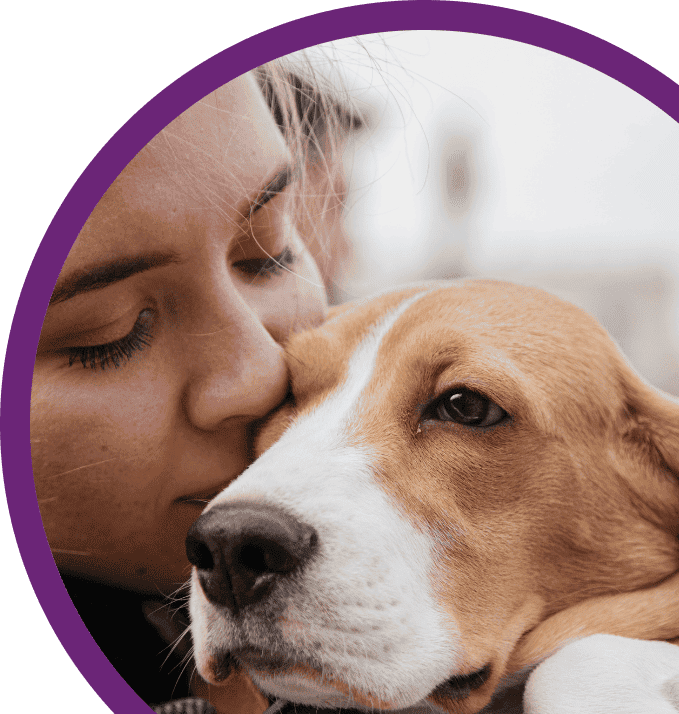
Our friendly team is always ready to support you. Our mobile veterinary service brings professional care straight to your home, making veterinary visits more convenient and pleasant for you and your pet. Whether you need advice, routine care, or treatment, we’re here to answer your questions and provide a calm, personalised service in the comfort of your own surroundings.
If you’re considering pet euthanasia at home and want to understand the process, costs, or aftercare options, or if you’d like to know more about our other services, please reach out to our experienced team today.
If you’re considering pet euthanasia at home and want to understand the process, costs, or aftercare options, or if you’d like to know more about our other services, please reach out to our experienced team today.

Vets 2 Your Pets
Vets 2 Your Pets
Send us a message and we'll get right back to you.
