 Skip to content

A healthy, confident litter begins long before each puppy meets their new family. The best puppy litter vaccination plans give breeders a clear clinical timetable, protect puppies during a vulnerable stage of life, and help new owners understand exactly what is needed next.
Vaccination is not simply a box to tick before puppies leave home. The right plan considers the puppies’ age, the vaccine product being used, their mum’s vaccination history, local disease risk and when each puppy will be ready to begin safely exploring the world. A qualified veterinary professional can assess the litter as a whole while still recognising that every puppy is an individual.
The best plans are practical, properly timed and clearly documented. They should protect against serious, preventable diseases without giving puppies vaccines before their immune system is likely to respond well.
Young puppies receive early protection through antibodies in their mother’s first milk. These maternal antibodies are valuable, but they gradually fade. There can be a period when a puppy is becoming less protected by their mother’s antibodies, yet those same antibodies may still interfere with a vaccine. This is why a course of vaccinations, rather than one injection, is usually needed.
For most UK puppies, core vaccination protects against canine parvovirus, canine distemper, infectious canine hepatitis and leptospirosis. The precise schedule can differ depending on the vaccine manufacturer’s data sheet and a veterinary professional’s clinical assessment. A good plan does not promise that every litter will follow identical dates. It explains why timings may vary and makes sure each buyer receives an accurate record.
Many breeders arrange the first vaccination at around six to eight weeks of age. This is often a convenient time for a full litter health check, particularly if puppies will be leaving for their new homes from eight weeks onwards. However, the exact starting point and product choice should be agreed with the veterinary professional providing care.
The second vaccination is commonly given at around 10 to 12 weeks, though some vaccine courses require a final dose at 14 to 16 weeks. This later dose can be particularly significant because maternal antibodies may persist longer in some puppies. New owners should always follow the dates recorded on the vaccination card, rather than assuming every puppy is fully protected after a particular birthday.
Until the course is complete and the advised period for immunity has passed, puppies should avoid places with unknown dogs or areas where unvaccinated dogs may have toileted. That does not mean keeping a puppy isolated. Safe socialisation matters enormously. Families can invite healthy, fully vaccinated visitors, introduce gentle household sounds, use clean private gardens where appropriate, and carry puppies in public spaces to let them experience the world safely.
A vaccination appointment is also an opportunity for a proper health assessment. Puppies should be bright, warm, well hydrated and generally thriving before they are vaccinated. The veterinary professional may listen to hearts and lungs, check eyes, ears, mouths and skin, assess body condition, and look for concerns such as hernias, abnormal gait or signs of parasites.
If a puppy is unwell, has diarrhoea, is not gaining weight or seems quieter than the rest of the litter, it may be safer to investigate first and delay vaccination. This can feel frustrating when new homes are waiting, but it is a sensible, welfare-led decision. A vaccine works best in a puppy that is well enough to mount an effective immune response.
Vaccinations work best as part of a wider preventative care plan. Puppies need regular weighing, suitable nutrition, clean bedding and careful monitoring from birth through weaning. Their mother’s health also deserves attention, particularly while she is feeding a demanding litter.
Worming is another important consideration. Puppies can be exposed to roundworms before birth and through their mother’s milk, so a veterinary professional can advise an age- and weight-appropriate parasite treatment plan for the litter and their mum. Avoid copying a schedule from social media or using leftover medication. Product suitability and dosing depend on the puppies’ weights, age and health status.
Microchipping should be planned alongside vaccinations and the move to new homes. In England, Scotland and Wales, dogs must be microchipped and registered by the time they are eight weeks old. Breeders should ensure the puppy’s chip is registered correctly before transfer, then guide the new keeper to update their details promptly. Clear records prevent avoidable confusion if a puppy is lost or needs veterinary treatment later.
For four or more distinct details that each new owner should receive, a simple puppy pack is helpful:
This documentation reassures buyers that the litter has been thoughtfully raised. More importantly, it gives their own vet the information needed to continue care without guesswork.
There is no single answer for every litter. Giving a first vaccination before puppies leave can offer families reassurance and may reduce the number of tasks they need to arrange during those busy first days. It can also allow the litter to be assessed together in the familiar setting where they have been raised.
The trade-off is that the new owner must be ready to book the remaining doses at the correct time, and their chosen veterinary practice may need to continue the course using the same vaccine brand. Starting a course with one product and finishing with another is not always appropriate. Breeders should be transparent about this before a reservation is confirmed, and buyers should check what their own vet will need to complete the course.
Some breeders instead arrange a pre-sale health check and leave the first vaccination for the puppy’s new veterinary practice. This can simplify continuity of care, especially if puppies are travelling to homes across a wide area. In either case, the decision should be guided by clinical advice and good communication, not by pressure to make a puppy appear ‘ready’ sooner.
Taking a whole litter to a busy surgery can be challenging. Puppies may be too young to travel comfortably, and managing their mum, carriers, paperwork and a car journey can be stressful. For some breeders, an at-home visit is a calmer alternative.
A mobile veterinary professional can examine and vaccinate puppies in their familiar environment, where they are warm and settled with their littermates. It also gives breeders time to ask questions about weaning, socialisation, parasite control and individual puppies without feeling rushed in a waiting room.
Vets 2 Your Pets provides breeder litter vaccinations, microchipping and health checks at home, delivered by experienced veterinary professionals. Telephone enquiries are supported by veterinary nurses, helping breeders arrange appropriate care and receive clear guidance on the next steps.
When comparing vaccination plans, ask which diseases are covered, how many doses are required and when the final dose should be given. Confirm whether a health check is included, whether each puppy will receive an individual record, and what happens if one puppy is not well enough to vaccinate on the day.
It is also worth asking how the provider handles vaccine storage, clinical records and follow-up advice. These details may sound administrative, but they are part of safe veterinary care. A low price is not necessarily good value if it leaves you or a new owner uncertain about the protection a puppy has received.
A carefully planned vaccination visit gives each puppy a healthier start, while giving new families confidence that their companion’s care has begun with kindness, sound clinical judgement and a clear path forward.
Covering multiple regions with rapid response times and expert clinicians who know your area.
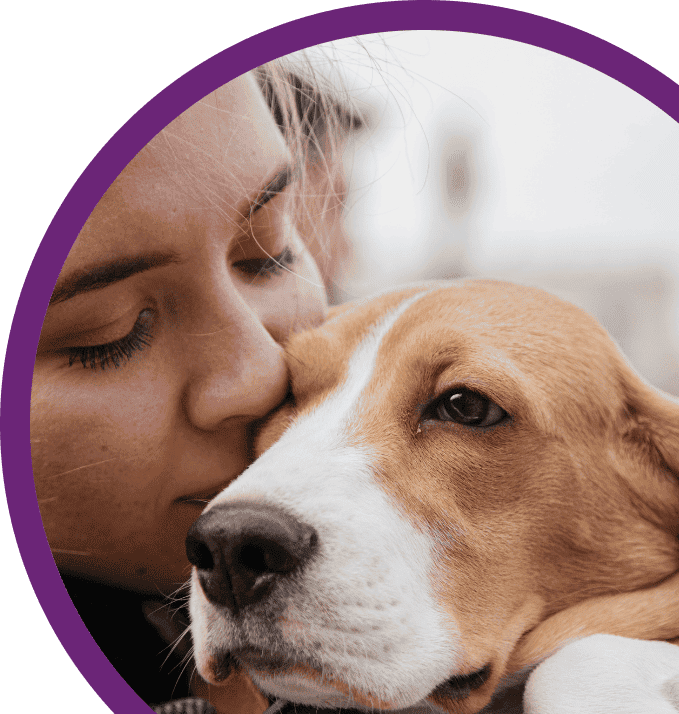
Our friendly team is always ready to support you. Our mobile veterinary service brings professional care straight to your home, making veterinary visits more convenient and pleasant for you and your pet. Whether you need advice, routine care, or treatment, we’re here to answer your questions and provide a calm, personalised service in the comfort of your own surroundings.
If you’re considering pet euthanasia at home and want to understand the process, costs, or aftercare options, or if you’d like to know more about our other services, please reach out to our experienced team today.
If you’re considering pet euthanasia at home and want to understand the process, costs, or aftercare options, or if you’d like to know more about our other services, please reach out to our experienced team today.

Vets 2 Your Pets
Vets 2 Your Pets
Send us a message and we'll get right back to you.
