 Skip to content
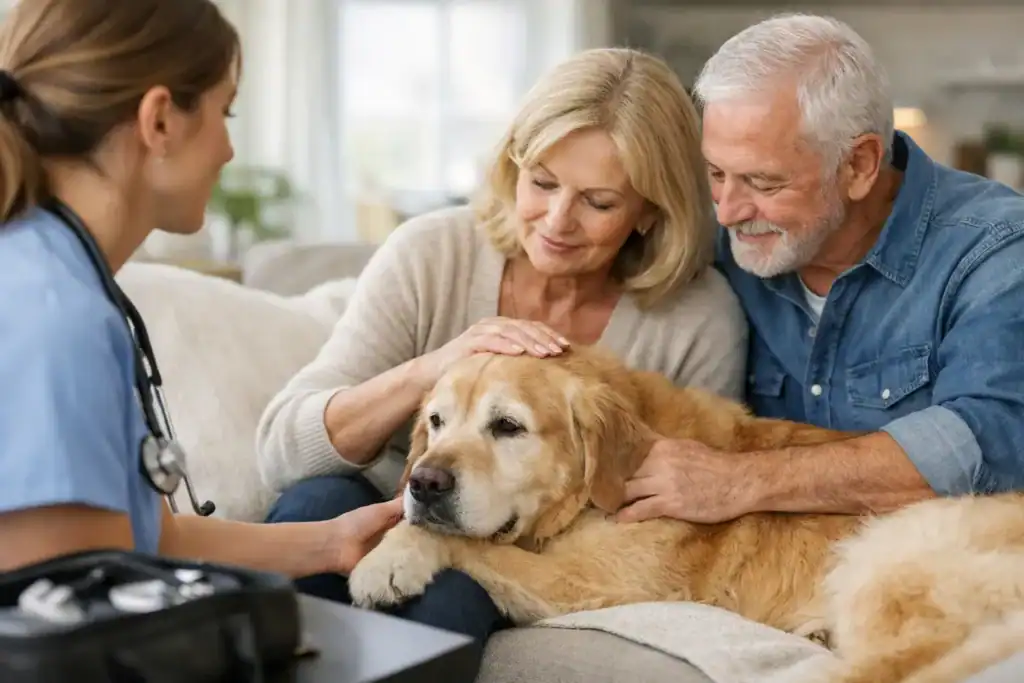
The final appointment should not begin with the strain of getting an unwell pet into the car. For many families, the best home euthanasia providers offer something deeply valuable: qualified veterinary care in the one place their pet feels safest. At home, there is no waiting room, unfamiliar smell or hurried goodbye. There is time to be close, to speak softly and to let a much-loved companion rest surrounded by the people and comforts they know.
Choosing a provider is still a significant decision. A peaceful setting matters, but so do clinical standards, clear communication and practical support before and after the appointment. The right team will make a painful day feel less confusing, without ever making you feel rushed or alone.
A home visit is not simply a veterinary appointment in a different location. It requires thoughtful planning, experienced professionals and an understanding that every household will cope differently. Some owners want a quiet, private goodbye with only immediate family present. Others need time to include children, another pet or a favourite blanket and bed. A good provider makes room for these choices wherever possible.
The best home euthanasia providers combine emotional sensitivity with clinical excellence. They explain what will happen in plain, gentle language, answer questions honestly and focus on your pet’s comfort throughout. Their approach should feel calm rather than clinical in the impersonal sense, while still being led by qualified healthcare professionals.
Home euthanasia can be especially helpful for pets who are anxious, fearful, elderly or unable to travel comfortably. It can also ease the pressure on owners who are caring for a large dog with mobility difficulties, a nervous cat or a rabbit that finds transport highly stressful. That said, home care is not automatically right for every situation. If a pet is in sudden, severe distress, immediate veterinary assessment may be needed, and a provider should give clear triage guidance rather than promise an appointment that cannot safely meet your pet’s needs.
Compassion should always sit alongside professional expertise. Ask whether your appointment will be carried out by an experienced veterinary professional and how the provider assesses urgency when you first make contact. A service with veterinary nurses answering telephone enquiries can offer immediate triage support, helping you understand whether a planned home visit is appropriate or whether your pet needs urgent care sooner.
It is reasonable to ask how your pet’s quality of life will be considered. Declining appetite, persistent pain, difficulty rising, confusion, withdrawal and loss of interest in favourite things can all be difficult to interpret alone. No checklist can make the decision for you, but a sensitive veterinary conversation can help you look at the pattern of good and difficult days with greater clarity.
A trustworthy provider will not pressure you towards euthanasia. They should discuss your concerns, explain the options available and respect that timing is personal. Sometimes a quality-of-life assessment may lead to a plan for pain relief, ongoing monitoring or another supportive treatment. At other times, it may confirm what you have already begun to feel: that a gentle farewell is the kindest option.
You deserve to know who is coming to your home and what support is available if circumstances change. Ask whether the person attending is a veterinary surgeon, what appointment length is allowed and whether there is a contact number for questions on the day. Clear answers are reassuring because they reduce the number of decisions you need to make when emotions are high.
Also ask about availability. Some providers offer appointments across a broad area but may have different visiting times depending on postcode, staffing and demand. A compassionate service will be open about its availability and will not leave you guessing about the likely timing of the visit.
The setting is one reason families choose at-home euthanasia, but the manner of the visit is just as important. A provider should allow your pet to settle and meet them without pressure. Your pet may wish to stay on their own bed, sit beside you on the sofa or lie in a sunny spot in the garden. Within safe clinical boundaries, these small choices can make the experience feel more familiar.
Ask the provider to talk you through the appointment beforehand. Knowing the general stages can reduce fear. You may want to understand whether a calming medication is used first, how your pet will be kept comfortable and how much time you can have afterwards. There is no need to memorise clinical details. What matters is that the explanation is kind, straightforward and leaves space for your questions.
If children will be present, consider what feels right for your family. Some children benefit from being included and saying goodbye; others may prefer to make a drawing, share a favourite memory or spend time with their pet beforehand. A sensitive veterinary professional will respect your decision and can help you prepare in age-appropriate language.
Practical arrangements after euthanasia can feel impossible to think about, yet making them in advance often brings relief. Ask what aftercare options are offered and whether the provider can arrange pet cremation. You may prefer individual cremation with ashes returned, communal cremation, or to make your own arrangements. The important point is choice, clarity and respectful handling.
Check what is included in the quoted cost. A transparent provider will explain the fee for the visit, euthanasia, travel where applicable, sedation or medication, and cremation options separately if needed. There should be no uncertainty about what you are agreeing to on the day.
It can also help to ask whether you will have time alone with your pet afterwards. Many families find this quiet period important. Others feel they would rather the practical next step is handled promptly and gently. Neither response is wrong, and a considerate team will follow your wishes.
You do not need a long interview to find the right care, but a few focused questions can tell you a great deal about the service:
Notice not only the answers but how they are given. You should feel listened to, never dismissed. If you are met with patience, clear information and kindness on the telephone, that is often a good indication of the care your pet will receive at home.
Every goodbye has its own shape. A single owner may want a nurse or friend nearby; a busy family may need help deciding how to involve children and other pets. In multi-pet homes, surviving animals sometimes want to see or sniff their companion afterwards, while others show little interest. There is no fixed rule, but it is worth discussing with the professional attending.
Consider the environment too. Choose a quiet room or familiar resting place, reduce interruptions and decide in advance whether you would like music, a favourite toy or a blanket nearby. These are not requirements for a meaningful farewell. They are simply ways to make the day feel more like your pet’s ordinary life and less like a medical event.
At Vets 2 Your Pets, home euthanasia is approached as both a clinical responsibility and a deeply personal moment. Families are supported by qualified veterinary professionals, with calm guidance from the first enquiry through to aftercare planning.
When the time comes, you do not have to find perfect words or make the day perfect. Choosing caring, professional support gives you the space to focus on what matters most: being present with your pet, offering comfort and letting their final moments be peaceful, familiar and full of love.
Covering multiple regions with rapid response times and expert clinicians who know your area.
Our friendly team is always ready to support you. Our mobile veterinary service brings professional care straight to your home, making veterinary visits more convenient and pleasant for you and your pet. Whether you need advice, routine care, or treatment, we’re here to answer your questions and provide a calm, personalised service in the comfort of your own surroundings.
If you’re considering pet euthanasia at home and want to understand the process, costs, or aftercare options, or if you’d like to know more about our other services, please reach out to our experienced team today.
If you’re considering pet euthanasia at home and want to understand the process, costs, or aftercare options, or if you’d like to know more about our other services, please reach out to our experienced team today.

Vets 2 Your Pets
Vets 2 Your Pets
Send us a message and we'll get right back to you.
