 Skip to content
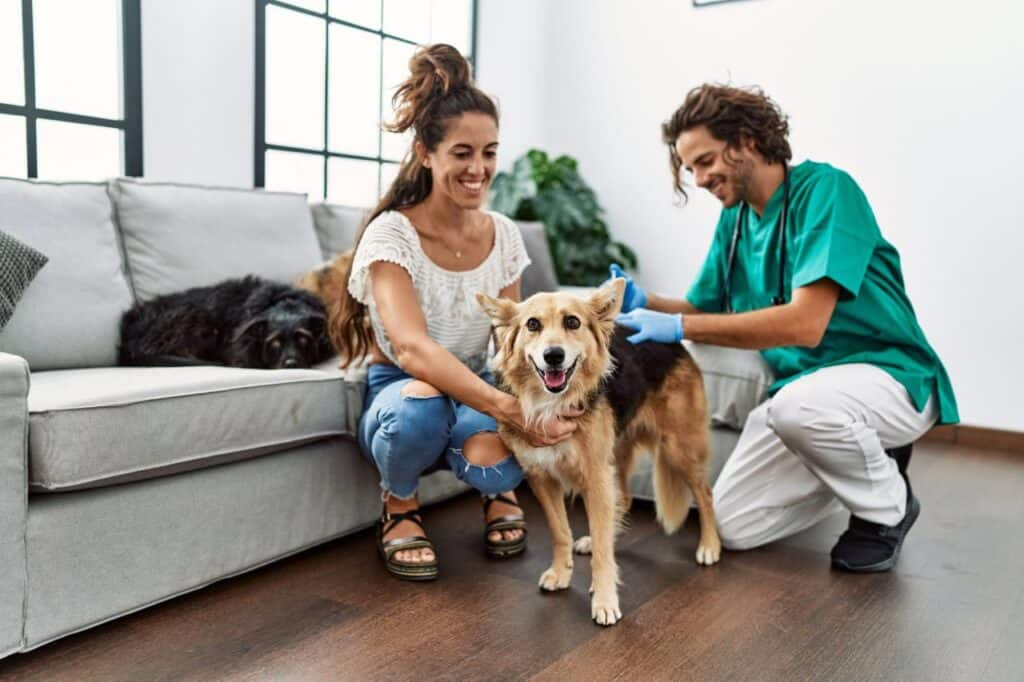
A vaccination appointment should protect your dog without turning the day into an ordeal. For a puppy still learning that the world is safe, an older dog with stiff joints, or a nervous rescue who finds car journeys and waiting rooms overwhelming, dog vaccinations at home can make a meaningful difference. Your dog remains in familiar surroundings, with the people they trust nearby, while a qualified veterinary professional provides the same careful clinical attention they need.
A veterinary visit is not equally easy for every dog. Some become distressed as soon as they see the lead or hear the car keys. Others are uncomfortable travelling because of arthritis, illness or age. In a busy practice, unfamiliar smells, barking dogs and close contact with other animals can add to that anxiety.
At home, the appointment can happen at your dog’s pace. There is time for them to settle, sniff, greet the veterinary professional and receive reassurance from you. This does not mean every dog will enjoy an injection, but a calm setting often makes the experience more manageable for them and for you.
Home visits can also be particularly practical for multi-dog households. Rather than organising several journeys and trying to keep each dog calm in a waiting room, vaccinations and health checks can often be arranged in one familiar place. For breeders, at-home litter vaccinations and microchipping can reduce the disruption of transporting a whole litter of puppies.
A responsible vaccination appointment begins with an assessment of your dog’s current health. The veterinary professional will ask about their general wellbeing, appetite, behaviour, any recent vomiting or diarrhoea, medication and previous reactions to vaccinations. They will also carry out a clinical examination before deciding whether vaccination is appropriate that day.
That check matters. A dog who is unwell may need treatment, monitoring or a postponed appointment rather than a vaccine immediately. Equally, a dog with a complicated medical history may need a more individual discussion about the benefits, timing and type of vaccination. The aim is not simply to follow a calendar. It is to offer protection safely, with your dog’s whole health in mind.
Your dog’s vaccination record will also be reviewed. This helps establish whether they need a primary course, a routine booster or a tailored plan where previous records are incomplete. Keeping this record up to date is useful for boarding kennels, day care providers, training classes and travel requirements, but its central purpose is protecting your dog from serious preventable disease.
The right plan depends on your dog’s age, lifestyle, local risk and existing vaccination history. Core canine vaccines commonly protect against diseases such as canine parvovirus, distemper, infectious canine hepatitis and leptospirosis. Your veterinary professional can explain the protection recommended for your dog and the intervals needed to maintain it.
Puppies usually require a carefully timed primary course, followed by a period before they can safely explore higher-risk public areas. This can feel frustrating when you are keen to begin walks and socialisation. However, the short wait helps give their immune system the opportunity to respond properly. In the meantime, your puppy can still have positive, safe experiences at home, be carried out to see the world, and meet appropriately vaccinated dogs in controlled circumstances where your veterinary professional advises this is suitable.
Adult dogs generally need boosters at intervals advised by their vaccine schedule. Do not assume a missed booster means there is only one answer. Sometimes a restart may be needed; in other cases, the recommendation will depend on the vaccine used, the elapsed time and your dog’s circumstances. A qualified professional can give clear, specific guidance rather than leaving you to guess.
Kennel cough vaccination may be advised for dogs who attend boarding kennels, day care, grooming facilities, training groups or social settings. Requirements vary between providers, so it is sensible to check well before a booking. Some dogs may also benefit from other lifestyle-based protection. The conversation should be practical: where does your dog go, which animals do they meet, and what does their daily life look like?
There is no need to make your home look like a consulting room. The most helpful thing is a quiet, comfortable space where your dog can be safely examined. If possible, choose a room away from the front door, visiting guests and other household activity. Have your dog’s vaccination card or any previous clinical records ready, along with details of current medicines or recent changes in their health.
Try to keep the lead or harness accessible, even for dogs who are being seen indoors. It gives you a safe way to guide them if needed. For a dog who is food-motivated, a few small favourite treats can help create a positive association, provided there are no dietary restrictions. There is no need to restrain a worried dog forcefully. Tell the veterinary professional honestly if your dog is fearful, painful to handle or has ever snapped when anxious. This information allows the visit to be planned with care and safety at its heart.
If your dog is very nervous, a home visit still may not remove every challenge. Some dogs need a slower approach, behaviour support or veterinary advice about anxiety management before future appointments. Kind handling includes recognising when pushing ahead would be too stressful.
Most dogs are comfortable after vaccination and carry on with their normal routine. A quieter day at home is often sensible, particularly for puppies or dogs who have found the appointment tiring. Your veterinary professional will tell you what mild effects may occur and what signs would need prompt advice.
Temporary tenderness at the injection site, tiredness or a reduced appetite can happen. More significant reactions are uncommon, but you should know who to contact if you are worried. Seek veterinary advice promptly if your dog develops facial swelling, breathing difficulties, repeated vomiting, collapse, marked weakness or anything that feels out of character after vaccination.
The value of an at-home service is not only convenience. It is being able to ask questions in the place where your dog actually lives. You may notice a limp on the stairs, a change in drinking, a skin problem or an emerging mobility issue that is easier to describe when the veterinary professional can see your dog in their usual environment. A vaccination visit can be an opportunity to discuss parasite control, weight, dental care, ongoing medication or any concern that has been sitting at the back of your mind.
Dog vaccinations at home are often chosen by owners of anxious, elderly or mobility-limited dogs, but they can suit many families. A new puppy may settle better without a demanding journey. A recently adopted dog may benefit from meeting a veterinary professional in the security of their own home. For an owner with limited mobility, caring responsibilities or several pets, the practical relief can be considerable.
There are limits to what can be safely managed during a home visit. If your dog is acutely unwell, has suffered an injury, is struggling to breathe, has collapsed or needs urgent diagnostic equipment, they may require immediate treatment at a veterinary practice or emergency provider. Telephone triage can help you understand the most appropriate next step. Home care works best when it is part of thoughtful, clinically guided care, not a delay to urgent treatment.
At Vets 2 Your Pets, appointments are delivered by experienced veterinary professionals, with veterinary nurse support available to help you discuss your dog’s needs before booking. Whether you are arranging a puppy’s first vaccines, an annual booster or care for a dog who finds clinic visits difficult, the focus remains the same: calm handling, clear advice and protection delivered with kindness in the place your dog feels safest.
A vaccination appointment can be a small moment in a long life together. Giving your dog that protection with less fear and more reassurance is a gentle way to care for the bond you share.
Covering multiple regions with rapid response times and expert clinicians who know your area.
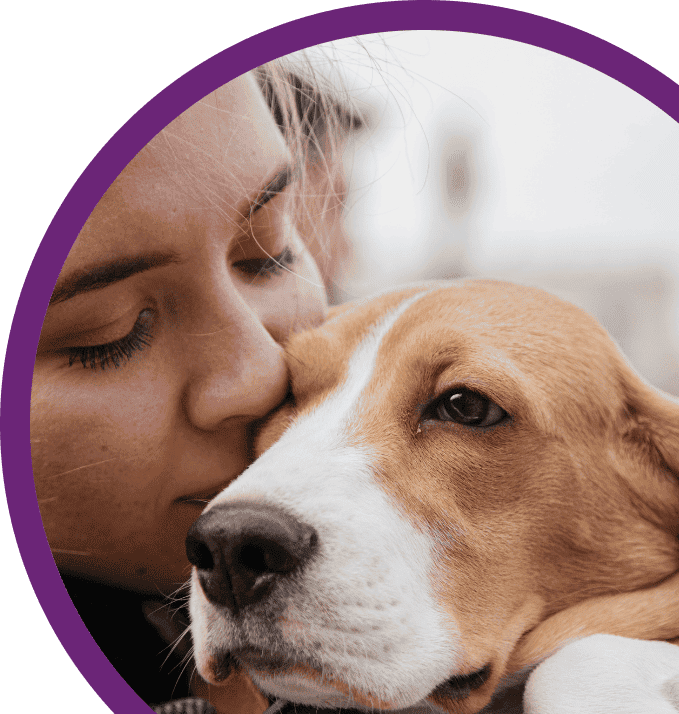
Our friendly team is always ready to support you. Our mobile veterinary service brings professional care straight to your home, making veterinary visits more convenient and pleasant for you and your pet. Whether you need advice, routine care, or treatment, we’re here to answer your questions and provide a calm, personalised service in the comfort of your own surroundings.
If you’re considering pet euthanasia at home and want to understand the process, costs, or aftercare options, or if you’d like to know more about our other services, please reach out to our experienced team today.
If you’re considering pet euthanasia at home and want to understand the process, costs, or aftercare options, or if you’d like to know more about our other services, please reach out to our experienced team today.

Vets 2 Your Pets
Vets 2 Your Pets
Send us a message and we'll get right back to you.
