 Skip to content

The small changes are often the hardest to interpret. Perhaps your dog still greets you in the morning but no longer wants their usual walk, or eats a favourite treat but seems unsettled through the night. A dog quality of life assessment creates a clearer picture from these moments, helping you consider not just how long your dog is living, but how they are feeling day to day.
It is not a test that produces one final, unquestionable answer. It is a compassionate way to notice patterns, record concerns and have a more informed conversation with a qualified veterinary professional. For families facing a decline in health, that clarity can bring reassurance that they are acting with love, rather than waiting until a crisis forces a decision.
Quality of life is bigger than a diagnosis. A dog may have arthritis, heart disease, cancer or cognitive changes and still enjoy many comfortable, meaningful days. Equally, a condition that appears stable on paper may be affecting sleep, mobility, confidence or the ability to enjoy the things that make a dog feel like themselves.
Most assessments consider comfort, appetite and hydration, hygiene, mobility, emotional wellbeing and engagement with family life. They also look at whether good days are still outweighing difficult ones. The aim is not to expect perfection, particularly in an older dog, but to understand whether symptoms can be managed well enough for life to remain enjoyable.
Your own knowledge matters greatly. You know whether your dog has always loved a slow sniff around the garden, curling up near the family, carrying a toy or waiting by the door for dinner. When those familiar pleasures fade, it is worth paying attention.
One difficult day does not always mean that your dog’s quality of life has gone. Pain can flare, medication may need adjusting, and a temporary tummy upset can make a normally content dog seem unlike themselves. The concern is a persistent change, a worsening pattern, or several areas of life becoming difficult at once.
Pain is not always obvious. Some dogs do not cry out or limp dramatically. Instead, they may pant when the room is cool, tremble, avoid being touched, struggle to settle, become withdrawn or seem restless at night. They may hesitate before lying down or rising, stop jumping onto furniture, or become reluctant to use stairs.
Breathing deserves particular attention. Laboured breathing, repeated coughing, a blue or pale tongue, collapse, or distress that does not settle requires urgent veterinary advice. These signs should never be managed by waiting for the next planned assessment.
A reduced appetite can have many causes, including nausea, pain, dental problems or illness. Consider whether your dog is eating enough to maintain strength and whether food remains a pleasure, rather than something they must be coaxed to accept. Increased thirst, difficulty reaching the water bowl, vomiting, diarrhoea or repeated accidents in the house can also affect comfort and dignity.
Incontinence alone does not necessarily mean a poor quality of life. Some dogs remain bright and content with practical support, such as more frequent toilet trips, absorbent bedding and gentle cleaning. The key question is whether they can stay clean, dry and comfortable, and whether the care required is still helping them feel secure.
Mobility affects more than walks. Notice whether your dog can reach their bed, change position, get outside to toilet and move away from a source of discomfort. Slipping on hard floors, struggling with steps and becoming exhausted after a short journey across the room can all indicate that support or treatment needs reviewing.
For some dogs, pain relief, weight management, non-slip rugs, ramps or therapeutic injections can make a meaningful difference. For others, decline continues despite appropriate care. Neither outcome is a failure. It simply changes the conversation about what your dog needs next.
Look for the moments that still bring lightness to your dog’s day. Do they respond to your voice, seek company, enjoy a gentle stroke, sniff the air in the garden or settle peacefully beside you? A dog does not need to behave as they did at three years old to have a good life, but they should still have opportunities for comfort, interest and connection.
Behaviour changes can be especially upsetting. A normally gentle dog may snap when painful, while a sociable dog may hide or avoid interaction. Cognitive decline can cause confusion, pacing, altered sleep and anxiety. These changes deserve veterinary support, not judgement.
Memory can be unreliable when you are tired, worried and caring for a much-loved dog. A short daily record makes gradual change easier to see and gives your veterinary team practical information.
Choose a simple scale, such as zero to five, and score comfort, appetite, mobility, toileting, sleep and enjoyment each day. Add a brief note about what happened: “ate breakfast eagerly”, “needed help getting up”, or “settled after pain relief”. It is also helpful to mark days as generally good, mixed or difficult.
After two or three weeks, patterns may become clearer. A dog who has an occasional poor day but returns to their normal pleasures may need a treatment review. A dog whose difficult days are becoming more frequent, or whose good days no longer contain comfort or enjoyment, may need a more sensitive discussion about palliative care or euthanasia.
Avoid relying solely on a total score. Numbers can guide a conversation, but they cannot capture every important detail. A dog with moderate mobility problems may still be content if pain is controlled and they enjoy family life. A dog with a higher score may nevertheless be distressed by breathlessness or anxiety. Context matters.
You do not need to wait until you feel certain. In fact, an early conversation can be one of the kindest things you do. A veterinary professional can assess your dog’s condition, review medications, discuss realistic treatment options and explain what changes may be expected.
Ask for help promptly if your dog seems painful or distressed, cannot rise without significant assistance, is refusing food and water, has repeated vomiting or diarrhoea, is struggling to breathe, collapses, or has a sudden change in behaviour. These symptoms can sometimes be improved with treatment, but they need timely clinical assessment.
For dogs with a life-limiting condition, it can help to talk through both best-case and likely scenarios. You may wish to ask what a comfortable day should look like, which signs suggest a worsening condition, and what emergency plan is appropriate. Having these conversations before a crisis does not mean you are giving up. It means you are protecting your dog from unnecessary distress.
There may come a point when treatment no longer restores comfort, or when the difficult moments outweigh the good ones. This decision is rarely based on one sign alone. It often follows a gradual recognition that a dog can no longer enjoy the life they once did, despite attentive care and veterinary treatment.
At-home euthanasia can offer a calm alternative for dogs who find travel, waiting rooms or unfamiliar surroundings stressful. In the familiarity of home, they can remain in a favourite bed, with familiar scents and the people they love close by. A qualified veterinary professional can explain each stage gently, answer questions and give your family time and privacy.
Vets 2 Your Pets provides professional at-home quality-of-life support and compassionate euthanasia care, helping families make decisions with clear clinical guidance rather than feeling alone with an impossible choice.
There is no perfect day, and no score can remove the sadness of saying goodbye. But observing your dog honestly, seeking veterinary advice early and choosing comfort over prolonging distress is a deeply loving form of care. Your dog has trusted you throughout their life. Listening carefully to what their days are telling you is part of honouring that trust.
Covering multiple regions with rapid response times and expert clinicians who know your area.
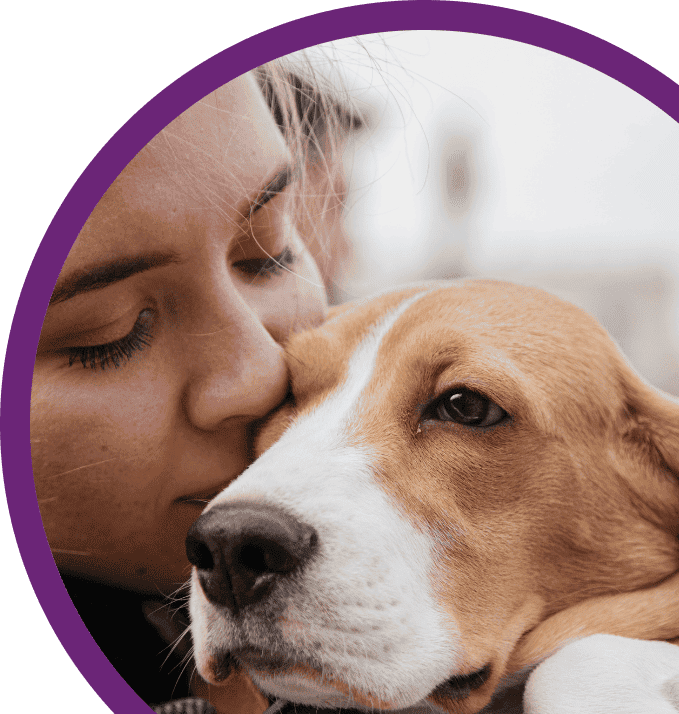
Our friendly team is always ready to support you. Our mobile veterinary service brings professional care straight to your home, making veterinary visits more convenient and pleasant for you and your pet. Whether you need advice, routine care, or treatment, we’re here to answer your questions and provide a calm, personalised service in the comfort of your own surroundings.
If you’re considering pet euthanasia at home and want to understand the process, costs, or aftercare options, or if you’d like to know more about our other services, please reach out to our experienced team today.
If you’re considering pet euthanasia at home and want to understand the process, costs, or aftercare options, or if you’d like to know more about our other services, please reach out to our experienced team today.

Vets 2 Your Pets
Vets 2 Your Pets
Send us a message and we'll get right back to you.
