 Skip to content

For some dogs, even a short journey to the veterinary surgery can mean trembling, panting, nausea or a battle to get through the door. A Suprelorin implant home visit offers a calmer alternative for suitable pets, allowing this treatment to be provided where they feel safest: at home, with their familiar people nearby.
Suprelorin is a prescription veterinary medicine, so the decision to use it should always begin with a clinical conversation. A qualified veterinary professional can discuss your pet’s health, behaviour, breeding history and the reason you are considering treatment, then advise whether an implant is appropriate. Home care does not mean compromising on clinical standards. It means bringing considered, professional treatment to a setting that may be far less stressful for your pet.
Suprelorin is a small implant containing deslorelin. In male dogs, it is used to produce temporary infertility by reducing testosterone production after an initial period. Depending on the product used and your dog’s individual response, its effects may last for several months or longer.
Owners may consider Suprelorin for different reasons. It can be an option for those who do not want a permanent surgical castration, those who wish to see how reduced testosterone may affect a particular behaviour, or those who need a temporary approach while considering future breeding plans. It is not, however, a simple behavioural fix. Hormones may contribute to some behaviours, but anxiety, learned habits, pain and the home environment can all play a part too.
The implant is placed beneath the skin, usually between the shoulder blades. Although it is a brief procedure, a veterinary professional will still need to assess the pet in front of them, select an appropriate site and use safe handling techniques. Some pets are very relaxed with this; others need time, gentle restraint or a carefully planned approach.
For a dog who finds car travel or clinical environments difficult, the journey can be the hardest part of veterinary care. At home, there is no unfamiliar waiting room, no close encounters with other animals and no rush to settle after travelling. Your pet can remain in a place they know, surrounded by familiar scents and routines.
This can be particularly valuable for older dogs, nervous dogs, large breeds that are difficult to transport, and multi-pet households where leaving one animal behind can cause distress. It can also give owners more time to ask questions without feeling hurried by a busy reception area.
A calm setting does not guarantee that every pet will welcome an injection or implant, of course. Some dogs are worried by handling wherever they are. The advantage of a home visit is that the veterinary professional can observe your pet in their own environment, work at a measured pace and advise honestly if the procedure should be adapted or rearranged.
Suprelorin should not be treated as an off-the-shelf solution. Before arranging treatment, your veterinary team will need relevant information about your pet. This may include their age, breed, weight, general health, current medicines, previous reproductive history and whether they have been used for breeding.
It is also helpful to be clear about your aim. Are you looking for temporary infertility? Are you considering surgical castration but unsure how your dog may respond? Are you hoping the implant will resolve roaming, mounting or tension around other male dogs? An honest conversation helps set realistic expectations.
For example, testosterone-related behaviours may change once the implant takes effect, but this is not immediate and the response varies between dogs. Some unwanted behaviours may continue because they have become established habits. If aggression is a concern, especially aggression towards people or other dogs, a thorough behavioural and veterinary assessment is essential. Reducing testosterone alone is not a substitute for a safe management plan or professional behavioural support.
The veterinary professional will also explain whether your pet is suitable for a home appointment. In some cases, a surgery may be the safer setting, particularly if a pet needs more intensive restraint, sedation, further diagnostic work or urgent treatment.
A well-planned visit begins before anyone arrives. You may be asked to keep your dog in a quiet room, have a lead available and avoid exciting activity immediately beforehand. If your dog is protective of the home or uneasy with visitors, say so when booking. This is useful information, not something to feel embarrassed about. It allows the team to plan a safer, gentler introduction.
When the veterinary professional arrives, they will take time to meet your pet and discuss any changes since the initial conversation. They may carry out a focused health check and confirm that proceeding remains appropriate. You will have the opportunity to raise questions about expected timing, possible effects and what to watch for afterwards.
The implant itself is placed using a specialised applicator. It is a quick procedure, but your pet’s comfort matters more than speed. A favourite treat, calm reassurance and quiet handling can make a real difference. For dogs who dislike close handling, it may be better to pause rather than force the issue. Kind care includes recognising when a pet is telling us they are not coping.
Afterwards, the site may be checked and you will be given clear aftercare guidance. Most pets can return to their normal quiet routine straight away, though it is sensible to avoid excessive fussing around the implant area.
One of the most important points about Suprelorin is that it does not make a male dog infertile immediately. There can be an initial period in which testosterone activity changes before suppression is established. During this time, a dog may still be fertile and may show increased sexual interest or related behaviours.
For that reason, it is vital to follow the veterinary professional’s advice about keeping your dog away from entire bitches. Do not assume that the implant provides instant contraception. The exact timescale and duration depend on the product, the individual dog and the reason for treatment, so your veterinary team will explain what applies to your pet.
The effects are intended to be temporary, but the return to fertility and normal hormone activity can vary. If future breeding is important to you, raise this before treatment. A home visit can make the practical side of care easier, but the decision still deserves the same careful thought as any reproductive treatment.
Like all medicines, Suprelorin can have side effects. Some dogs may experience a small local reaction at the implant site, such as swelling or sensitivity. Changes related to reduced testosterone can include smaller testicles or altered coat condition in some breeds. Behavioural changes are individual and should be interpreted carefully rather than assumed to be caused by the implant alone.
Your veterinary professional will discuss relevant risks and provide advice tailored to your dog. Contact the practice promptly if you are concerned about a marked reaction at the implant site, a change in your pet’s wellbeing, or behaviour that feels unsafe or out of character. If your dog becomes acutely unwell, seek urgent veterinary advice.
It is helpful to keep a simple note of any changes you observe in the weeks following treatment. This might include interest in females, urine marking, mounting, appetite, energy levels and interactions with other dogs. These observations can support useful follow-up conversations and help you make informed decisions about future care.
At Vets 2 Your Pets, home visits are built around the understanding that veterinary care can feel daunting for pets and the people who love them. A familiar room, a patient approach and qualified clinical oversight can turn a difficult appointment into a more manageable experience.
If you are considering Suprelorin, begin with a conversation rather than a decision made in haste. Share what you hope will change, what worries you and how your dog copes with handling. The right plan is the one that protects your pet’s welfare while giving you clear, compassionate guidance at every stage.
Pet owners are increasingly turning to the convenience of home veterinary visits to provide tailored and stress-free healthcare for their beloved companions. In this article, we will delve into the factors influencing the costs associated with home vet visits, exploring the pricing structure and considerations that pet owners should be...
Covering multiple regions with rapid response times and expert clinicians who know your area.
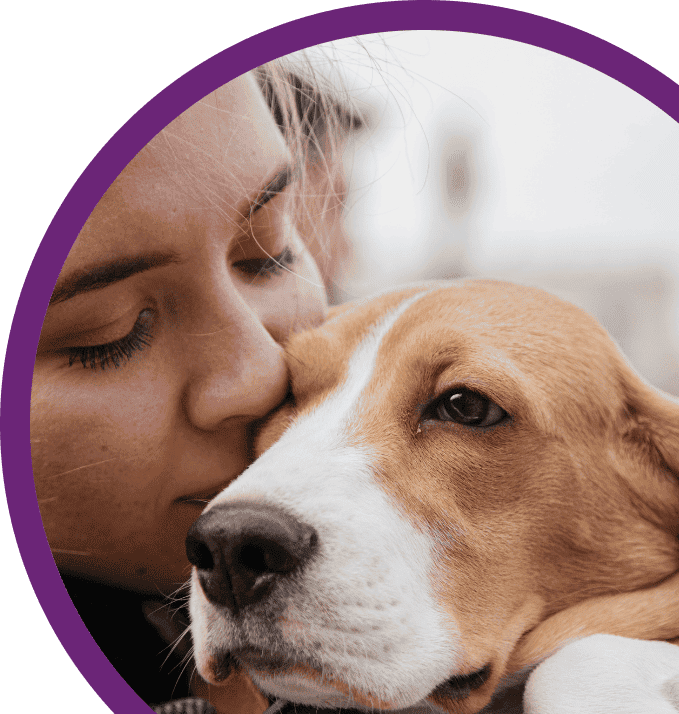
Our friendly team is always ready to support you. Our mobile veterinary service brings professional care straight to your home, making veterinary visits more convenient and pleasant for you and your pet. Whether you need advice, routine care, or treatment, we’re here to answer your questions and provide a calm, personalised service in the comfort of your own surroundings.
If you’re considering pet euthanasia at home and want to understand the process, costs, or aftercare options, or if you’d like to know more about our other services, please reach out to our experienced team today.
If you’re considering pet euthanasia at home and want to understand the process, costs, or aftercare options, or if you’d like to know more about our other services, please reach out to our experienced team today.

Vets 2 Your Pets
Vets 2 Your Pets
Send us a message and we'll get right back to you.
