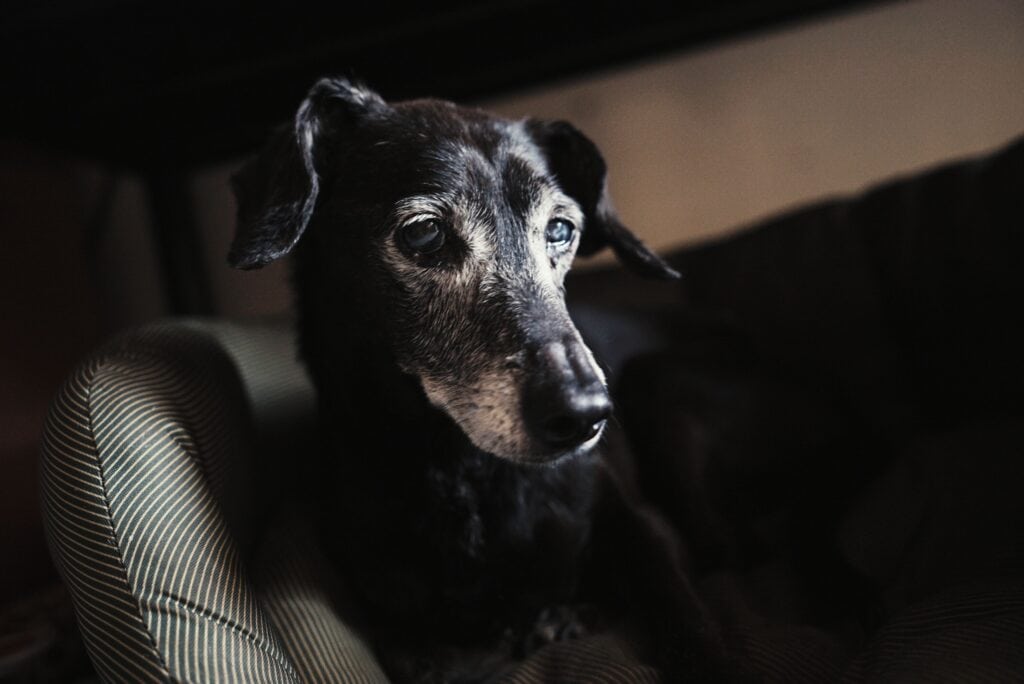
When a beloved pet is nearing the end of their life, practical questions can feel almost impossible to ask. Yet knowing how does pet euthanasia at home work can remove some of the fear around the day and help you make choices that feel right for your pet, your family and the life you have shared.
At-home euthanasia allows your pet to remain in the place they know best: their own home, with familiar smells, favourite bedding and the people they trust nearby. A qualified veterinary professional guides the process calmly, checks that you understand each step, and focuses on keeping your pet comfortable throughout.
For many elderly, anxious or unwell pets, travelling to a veterinary surgery can be physically difficult and emotionally unsettling. The journey, car ride, waiting room and unfamiliar surroundings may add stress at a time when comfort matters most.
At home, your dog, cat, rabbit or other companion animal can settle where they usually rest. They may lie on the sofa, in their bed, in a sunny spot in the garden if conditions allow, or beside you on the floor. There is no need to hurry through a busy reception area, and families can have privacy to say goodbye in their own way.
This option is not only for pets who dislike the vet. It can also be a kind choice for pets with limited mobility, severe illness, advanced arthritis, breathing difficulties or conditions that make transport uncomfortable. The right setting depends on your pet’s needs and your circumstances, but a home visit can offer a gentle, peaceful farewell surrounded by love.
Choosing euthanasia is rarely about one bad day. More often, it follows a period of changes: pain that is becoming harder to control, reduced appetite, poor mobility, confusion, repeated illness or a loss of interest in the things your pet once enjoyed.
A veterinary professional can help you consider your pet’s quality of life. They will listen to what you are seeing at home and may ask about comfort, eating and drinking, toileting, sleep, movement, interaction and whether there are still more good days than difficult ones. There is not always one clear answer, and it is normal to feel uncertain or to worry that you are deciding too soon or too late.
If an appointment is booked, the veterinary team should explain what to expect, discuss consent and ask about any practical needs. This is also the time to talk through aftercare, such as individual cremation with ashes returned, communal cremation, or other arrangements available in your area. Making these decisions in advance can mean there is less to think about on the day itself.
The visiting vet will arrive at the agreed time and take a calm, unhurried approach. They will introduce themselves, give your pet a chance to become comfortable with their presence, and speak with you about any changes since you booked the visit. They will confirm your wishes and answer questions before anything happens.
You can choose where your pet is most relaxed. Some families prefer everyone to be together, while others find it easier for one person to stay close and for other family members to say goodbye beforehand. There is no correct way to do this. If children are involved, gentle, honest language and the opportunity to ask questions can help them feel included without pressure.
Your vet will usually begin by giving a sedative or calming medication. This may be given as an injection and is designed to help your pet become deeply relaxed and sleepy. Some pets settle quickly; others take a little longer, particularly if they are anxious, uncomfortable or have poor circulation. Your veterinary professional will monitor them carefully and allow the medication time to work.
During this stage, your pet may still hear your voice and feel your touch. You can sit with them, stroke them, speak to them or simply be beside them. Many owners choose to offer a favourite treat before the sedation, if their pet is still able and willing to eat. Your vet can advise if this is suitable.
Once your pet is fully settled and unconscious or very deeply asleep, the euthanasia medication is administered. It is an anaesthetic medicine given at a dose that gently stops the heart. Your pet is not aware of this final step and does not experience distress. The vet will listen to their heart and confirm when they have passed away.
Sometimes, normal physical reflexes can occur after death. A pet may take a final breath, twitch, or pass urine or faeces as their muscles relax. These changes can be surprising, but they do not mean your pet is suffering or aware. A compassionate vet will explain this beforehand where appropriate and reassure you throughout.
After your pet has passed, there is usually time for you to sit with them privately. You may want to hold them, take a clipping of fur, keep a collar, make a paw print or simply sit quietly together. If there are other pets in the household, some families allow them to see and sniff their companion afterwards. This can sometimes help animals adjust to the change, although every household is different.
There is no expectation to be composed. Grief can arrive as tears, numbness, relief, guilt, love or all of these at once. Relief that a pet is no longer struggling does not lessen the depth of your loss. It is often part of loving them enough to put their comfort first.
The veterinary professional will handle the next steps with dignity. If cremation has been arranged, they can carefully take your pet into their care. Depending on the chosen service, ashes may be returned in an urn or casket, often with options for keepsakes. If you have made your own arrangements, the team can explain what is needed and give you time to proceed.
You do not need to make your home perfect for the visit. Your pet will not care whether the washing-up is done. It can help, however, to choose a quiet, comfortable space with enough room for the vet to work safely and for your family to sit nearby.
Keep a towel or blanket close if your pet has a favourite one, and consider switching off the television or putting mobile phones on silent. If your pet has pain relief or other medication, have it available so the vet can see what they have received. You may also wish to prepare a small box or envelope for a collar, a lock of fur or a paw print.
If you have children, tell them what will happen in words they can understand. Avoid saying a pet is “going to sleep” without explanation, as this can make ordinary sleep seem frightening. You might say that the vet will give medicine to stop their body working because they are very ill or very old, and that they will not feel pain.
You do not need to know all the right words or have every decision made before you call. It is reasonable to ask who will attend, whether sedation is used, how long the visit may take, what aftercare choices are available and what happens if your pet’s condition worsens before the appointment.
It is also appropriate to ask for guidance if you are unsure whether it is time. At Vets 2 Your Pets, telephone enquiries are supported by veterinary nurses who can provide calm initial triage and help owners understand the available next steps. A home visit should never feel like a process you have to manage alone.
The final act of care you give your pet may be one of the hardest things you ever do. In the familiar quiet of home, with professional support and the people they love close by, it can also be a deeply kind way to let them go.
Table of Contents Welcome to our detailed and informative guide, designed to provide cat owners with a comprehensive understanding of cancer in felines. Cancer, also known as neoplasia, is a prevalent and devastating disease affecting cats worldwide. In this blog post, we will explore the types and signs of feline...
Covering multiple regions with rapid response times and expert clinicians who know your area.
Our friendly team is always ready to support you. Our mobile veterinary service brings professional care straight to your home, making veterinary visits more convenient and pleasant for you and your pet. Whether you need advice, routine care, or treatment, we’re here to answer your questions and provide a calm, personalised service in the comfort of your own surroundings.
If you’re considering pet euthanasia at home and want to understand the process, costs, or aftercare options, or if you’d like to know more about our other services, please reach out to our experienced team today.
If you’re considering pet euthanasia at home and want to understand the process, costs, or aftercare options, or if you’d like to know more about our other services, please reach out to our experienced team today.

Vets 2 Your Pets
Vets 2 Your Pets
Send us a message and we'll get right back to you.
