 Skip to content

A beloved pet may still greet you, eat a favourite treat or enjoy a sunny spot, even while their health is changing. That is why the question, when is pet euthanasia needed, rarely has one clear-cut answer. It is usually a decision reached through careful observation, veterinary guidance and a deep understanding of what makes your pet feel safe, comfortable and like themselves.
Choosing euthanasia is not about giving up. When suffering can no longer be relieved, it can be the final act of care: a gentle, peaceful farewell that prevents distress and allows your pet to be surrounded by love.
Pet euthanasia may be considered when a condition is causing ongoing pain, distress or loss of dignity that cannot be managed well enough with treatment. This can happen with advanced cancer, severe arthritis, organ failure, progressive neurological disease, serious injury or the complications of old age. It may also be appropriate after a sudden illness when recovery is unlikely and urgent treatment would not offer an acceptable quality of life.
A diagnosis alone does not determine the decision. Two pets with the same condition can have very different experiences. Some may be comfortable for months with the right medication, nursing care and regular veterinary review. Others may decline quickly, or find treatment itself too stressful. The central question is not simply, “How long can we keep going?” It is, “What is life like for my pet now?”
Your veterinary professional can explain the likely course of a condition, discuss realistic treatment options and help you recognise when comfort is no longer achievable. No caring owner should feel they must make this decision alone.
Quality of life is made up of small, ordinary moments. Can your pet rest comfortably? Do they still show interest in food, people, familiar routines or gentle affection? Can they move around without fear, strain or repeated falls? Are there still more good days than difficult ones?
It can help to keep a brief daily note, especially when decline is gradual. Record appetite, drinking, toileting, mobility, sleep, pain, breathing and enjoyment. You might also mark each day as good, mixed or difficult. Over time, this can reveal a pattern that is hard to see while living through it day by day.
Signs that deserve a prompt veterinary conversation include persistent pain despite prescribed medication, laboured breathing, repeated vomiting or diarrhoea, inability to stand or walk without significant help, frequent accidents because your pet cannot reach the toilet area, severe confusion, panic, or withdrawal from everything they once enjoyed. A pet who is no longer eating or drinking may also need urgent assessment, particularly if this is combined with weakness, pain or a known illness.
One difficult day does not always mean euthanasia is needed. Pain relief may need adjusting, a new treatment may be appropriate, or practical changes at home may improve comfort. However, when difficult days are becoming the norm and relief is short-lived, it may be time to discuss a peaceful end-of-life plan.
Animals often hide discomfort remarkably well. A dog may wag their tail while struggling to rise. A cat may purr while unwell, or simply become quieter and spend more time hiding. Rabbits can deteriorate quickly and may show pain through reduced appetite, smaller droppings, stillness, tooth grinding or reluctance to move.
Look for changes rather than waiting for dramatic signs. These can include altered sleep, panting at rest, reluctance to be touched, reduced grooming, a hunched posture, pacing, vocalising, changes in temperament or avoiding stairs and favourite places. Your knowledge of your pet matters. If you feel something is not right, it is worth seeking clinical advice.
Many families worry about choosing “too soon” or “too late”. These fears are understandable, and there is rarely a perfect day that arrives with certainty. Waiting until a pet is in crisis can mean their final hours are frightening, painful or rushed. Planning ahead can allow a calmer decision, with time to ask questions and say goodbye in the way that feels right for your family.
At the same time, euthanasia should not be suggested simply because a pet is elderly, disabled or needs extra support. Many older pets continue to enjoy a meaningful life with pain management, accessible bedding, non-slip flooring, gentle routines and appropriate veterinary care. Age is not the deciding factor. Comfort, enjoyment and the ability to meet their day-to-day needs are what matter.
A useful question is to consider your pet’s three favourite things. Perhaps it is a short walk, sitting beside you, eating dinner, playing with a toy or grooming in a warm patch of light. If they can no longer enjoy these things, and there is no reasonable way to restore that comfort, this can help clarify where they are in their journey.
A quality-of-life assessment gives you space to talk through what you are seeing without pressure or judgement. A qualified veterinary professional can examine your pet, assess pain and mobility, review medication, and discuss whether further treatment is likely to help.
This conversation can also cover practical care. For some pets, a change in pain relief, anti-sickness medication, dietary support or nursing adjustments can make a genuine difference. For others, palliative care may be the kindest approach: focusing on comfort and symptom control while accepting that the illness cannot be cured.
If euthanasia is likely to become the right decision, planning does not make you disloyal. It means you are protecting your pet from a distressing emergency. You can discuss timing, what will happen, aftercare arrangements and who you would like present. Having a plan often brings reassurance, even if you do not need to use it immediately.
For pets who are anxious, frail, mobility-limited or in pain, travelling to a veterinary surgery can be difficult. A home visit allows them to remain in familiar surroundings, with their own bed, familiar scents and the people they trust nearby.
At-home euthanasia is carried out by experienced veterinary professionals, with the same clinical care that your pet would receive in a practice. The appointment is paced gently. Your pet is usually given a sedative first, allowing them to become deeply relaxed and sleepy before the final medication is administered. You can stay close, talk to them, stroke them, or simply sit quietly together.
Families often find comfort in being able to take their time afterwards. You may wish to have a favourite blanket nearby, play quiet music, offer a small treat if your pet is able, or choose a peaceful place in the home or garden. There is no right way to say goodbye. The kindest choice is the one that keeps your pet calm and feels manageable for your family.
Vets 2 Your Pets provides compassionate at-home euthanasia across the UK, alongside veterinary guidance and pet cremation arrangements where needed. Telephone enquiries are supported by veterinary nurses, so you can ask practical questions and receive immediate triage guidance when you are worried about your pet.
Some situations need urgent veterinary advice. Difficulty breathing, collapse, uncontrolled bleeding, repeated seizures, severe pain, a swollen abdomen, inability to pass urine, or sudden extreme weakness should not wait for a routine discussion. Contact a veterinary professional or emergency service straight away.
If your pet has a life-limiting illness but is currently settled, it is still sensible to speak early. Knowing who to call and understanding the options can prevent added stress during an already emotional time.
Children and other pets may also be affected by the loss. Honest, age-appropriate explanations can help children understand that euthanasia was chosen to prevent suffering. Other household pets may notice the absence and show changes in behaviour for a while. Keeping routines gentle and predictable can help everyone adjust.
The decision will always be personal, but it should never be a lonely one. Pay attention to the life your pet is living, not only the diagnosis they carry. When comfort, dignity and enjoyment are no longer within reach, a peaceful farewell can be a loving way to thank them for the companionship they have given.
Covering multiple regions with rapid response times and expert clinicians who know your area.
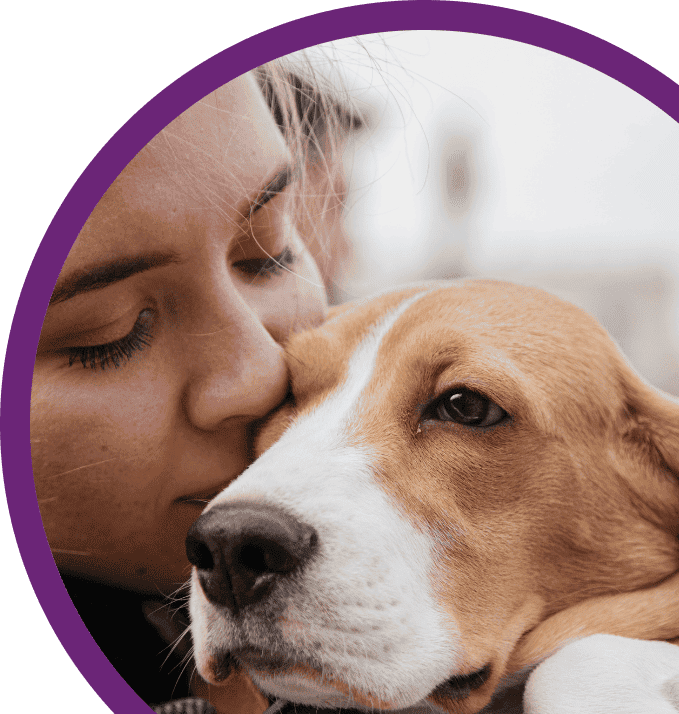
Our friendly team is always ready to support you. Our mobile veterinary service brings professional care straight to your home, making veterinary visits more convenient and pleasant for you and your pet. Whether you need advice, routine care, or treatment, we’re here to answer your questions and provide a calm, personalised service in the comfort of your own surroundings.
If you’re considering pet euthanasia at home and want to understand the process, costs, or aftercare options, or if you’d like to know more about our other services, please reach out to our experienced team today.
If you’re considering pet euthanasia at home and want to understand the process, costs, or aftercare options, or if you’d like to know more about our other services, please reach out to our experienced team today.

Vets 2 Your Pets
Vets 2 Your Pets
Send us a message and we'll get right back to you.
