 Skip to content
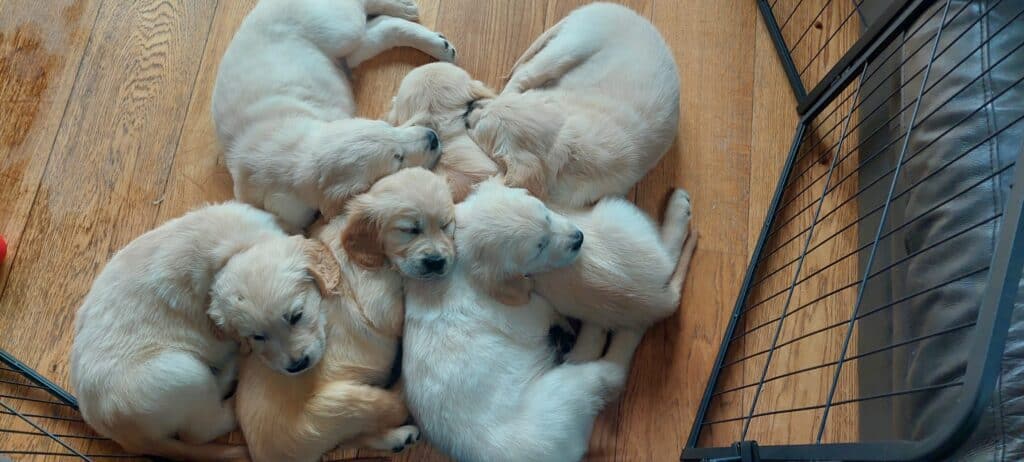
For a breeder, knowing how to organise litter microchipping is about more than choosing a date. It means making sure every puppy or kitten can be accurately identified, registered to the right person and kept comfortable throughout the visit. With a little planning, litter microchipping can be a calm part of preparing young animals for their new homes rather than a last-minute administrative worry.
A mobile veterinary visit can be particularly helpful for a litter. The mother and babies remain in their familiar environment, without the stress of a car journey, a busy waiting room or exposure to unfamiliar animals. Qualified veterinary professionals can assess the litter, implant the chips and guide you through the details that need to be correct before each animal leaves your care.
For puppies, UK law requires a microchip to be implanted by the time the puppy is eight weeks old. The breeder is normally responsible for being recorded as the first keeper before the puppy is sold or rehomed. Do not leave the appointment until collection day. Arranging it when the litter is around six to eight weeks old gives you time to deal with registration details and any unexpected changes to the collection schedule.
Kittens have different requirements. In England, pet cats must be microchipped before they reach 20 weeks of age and the keeper’s contact details must be registered on a compliant database. If you are breeding kittens, earlier microchipping may still be sensible where it suits their development and your rehoming plans, but timing should be discussed with a veterinary professional.
Rules and supporting guidance can differ across England, Scotland, Wales and Northern Ireland, and they can change. If you are breeding or rehoming regularly, check the current requirements for your nation and local authority, particularly if you hold a breeding licence. A veterinary team can explain the practical clinical side, but breeders remain responsible for meeting their legal obligations.
The simplest approach is to prepare the information before the appointment is booked. Decide how you will identify each youngster on the day. Collar colours can be useful for very young litters, but they should be safe, loose enough and supervised. Many breeders use clear temporary identification alongside a written litter record, noting each animal’s sex, colour, markings, date of birth and prospective owner where known.
You will also need the breeder or first keeper’s full contact details. These must be accurate, including your address, telephone number and email address. A microchip only helps reunite an animal with their family when the details held against its unique number are correct.
It is worth creating one record for each puppy or kitten before the visit. Include the animal’s temporary identifier and leave space for the microchip number, implantation date, database details and new keeper’s details. This reduces the chance of two similar-looking siblings being recorded against the wrong number – an easy mistake to make when a litter is lively and several families are collecting within a few days.
If buyers have already been chosen, explain the process to them early. Let them know that the young animal will be registered to you first, where this is required, and that ownership and keeper details must be transferred promptly after they take their new pet home. They should understand that keeping a chip registered in the breeder’s name is not a substitute for completing the transfer.
Choose a warm, clean room where the mother and litter are settled. A quiet kitchen, utility room or whelping area often works well, provided there is a clear surface or floor space for the veterinary professional to work safely. Keep the litter together where possible and avoid having buyers, children and other household pets coming in and out during the appointment.
Have your records ready, along with a torch or good lighting if the room is dim. Young puppies and kittens can be wriggly, so the clinician may ask you to help identify each one in turn while they are scanned and chipped. Calm, gentle handling matters more than trying to rush through the litter.
Microchip implantation is a quick procedure, but it involves a needle and may cause a brief moment of discomfort. Most youngsters settle quickly, especially when handled confidently and returned to their mother or littermates. A qualified veterinary professional will check that each chip can be read with a scanner after implantation and will advise if they have any concerns about an individual animal’s health or suitability to proceed that day.
A chip number alone does not identify a keeper. It has to be registered with an appropriate microchip database, and the contact information needs to stay current throughout the animal’s life. Before the visit, ask who will submit the registration and what paperwork you will receive. Different providers may have slightly different processes, so clarity at this stage prevents delays later.
Check every number against the correct puppy or kitten before anyone leaves. Read it aloud from the paperwork, compare it with your litter record and make sure the temporary identifier matches. This small pause is one of the most valuable parts of organising a litter appointment.
When a puppy or kitten goes to their new home, give the new keeper the microchip number and the instructions needed to update the record. Encourage them to complete the transfer straight away, then to update their details again if they move house or change telephone number. A chip cannot work as intended if the database record is out of date.
Microchipping is often arranged alongside first vaccinations or a breeder health check, particularly when a mobile veterinary professional is visiting the home. Combining care can be convenient, but the right plan depends on the litter’s age, health, vaccination schedule and the time needed to examine each animal properly. It should never mean rushing clinical checks simply to fit everything into one visit.
A breeder consultation is also a useful opportunity to discuss parasite control, feeding, weaning, socialisation, vaccination timing and the information each new owner should receive. If any youngster is underweight, unwell or developing differently from its siblings, seek veterinary advice rather than assuming it can follow exactly the same timetable as the rest of the litter.
For nervous mothers, home visits offer a gentler alternative to transporting an entire litter to a surgery. Vets 2 Your Pets can provide breeder litter vaccinations and microchipping in the familiarity of home, helping to keep the experience calm for both mother and young.
The most common problem is leaving microchipping too late. This can create unnecessary pressure before collection dates and may affect your ability to meet legal requirements. Booking ahead is particularly wise during busy periods or when a litter has several animals.
Another is relying on memory rather than written records. Even experienced breeders can mix up similar siblings once collars are removed or coats begin to change. Keep a clear record, verify the scan number for every animal and retain copies of the registration information.
Finally, do not assume the job ends when the chip is implanted. The record must be registered, transferred when appropriate and kept current. Explain this to every new owner with kindness but clarity: microchipping is a lifelong safety measure, not just a box to tick before a puppy or kitten leaves.
A well-organised microchipping visit gives each young animal a secure start and gives new families confidence that the practical details have been handled with care. Planning early leaves more room to focus on what matters most – sending healthy, well-prepared companions into loving homes.
Covering multiple regions with rapid response times and expert clinicians who know your area.
Our friendly team is always ready to support you. Our mobile veterinary service brings professional care straight to your home, making veterinary visits more convenient and pleasant for you and your pet. Whether you need advice, routine care, or treatment, we’re here to answer your questions and provide a calm, personalised service in the comfort of your own surroundings.
If you’re considering pet euthanasia at home and want to understand the process, costs, or aftercare options, or if you’d like to know more about our other services, please reach out to our experienced team today.
If you’re considering pet euthanasia at home and want to understand the process, costs, or aftercare options, or if you’d like to know more about our other services, please reach out to our experienced team today.

Vets 2 Your Pets
Vets 2 Your Pets
Send us a message and we'll get right back to you.
